

Local SEO for Construction Companies
Previously, we learned how to build a strong backlink profile for construction company websites. Today, we’ll focus on another crucial aspect: Local SEO
For construction companies, local visibility is everything.
When potential clients in your area search for construction services, you want your business to appear at the top of the results.
That’s where local SEO comes in.
In this chapter, we’ll cover the tactics to boost your local presence.
From optimizing Google Business Profile to managing local citations, we’ll provide actionable steps so you can dominate local search results.
What is Local SEO for Construction Companies and Why Does it Matter?
Local SEO is your ticket to dominating the local construction scene.
It’s all about making sure your business shows up when someone in your area searches for “construction company near me” or “best builders in [your city].”
The holy grail of local SEO? Ranking in the Google Maps 3-Pack.
That’s the trio of local businesses that show up at the top of Google’s search results with a map.
It’s prime real estate, folks – like a billboard on the busiest intersection in town.
But here’s the deal:
Local SEO isn’t about throwing some keywords on your website and calling it a day.
Google’s got a whole set of local ranking factors, including:
- Relevance: How well your business matches the search intent
- Distance: How close you are to the searcher
- Prominence: How well-known and trusted your business is
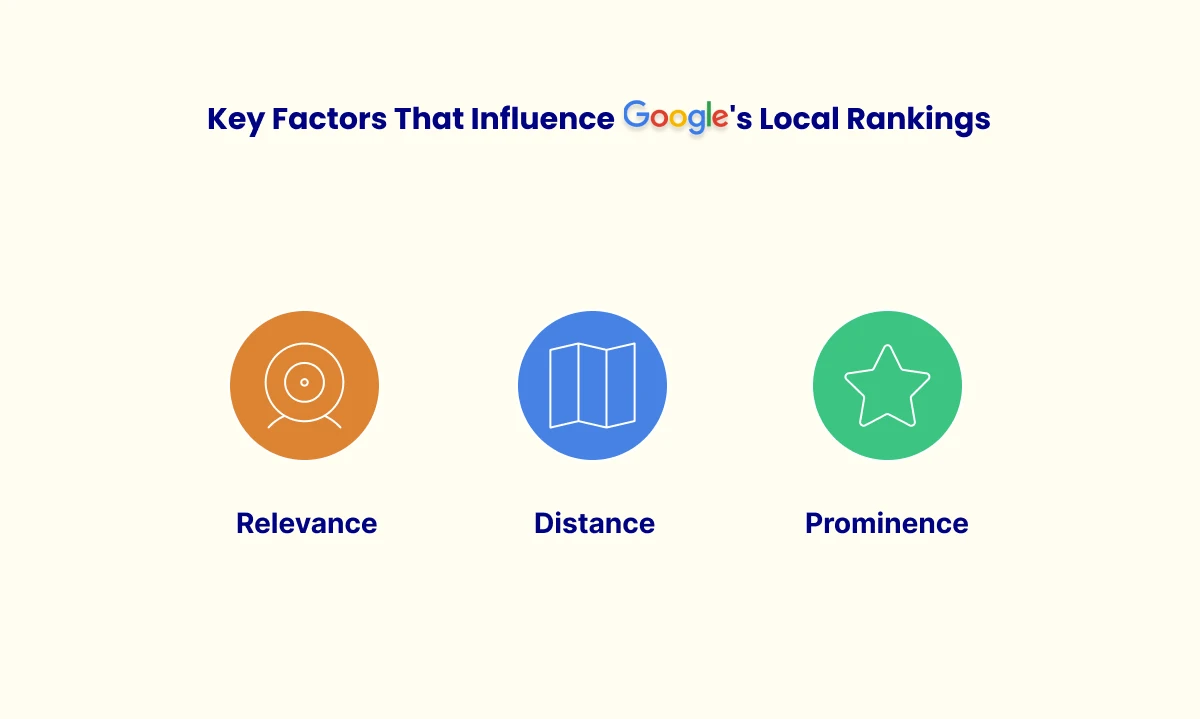
Master these, and you’ll be laying the groundwork for local domination faster than you can pour a foundation.
How to Optimize Your Google Business Profile
Google Business Profile (GBP) is your digital storefront, and just like a real storefront, you want it looking sharp and inviting.

Here’s how to optimize it for maximum effect.
Choosing the Correct Primary Category
Picking the right primary category is like choosing the right tool for the job — get it wrong, and you’re in for a world of hurt.
The trick to do it right is to use Chrome extensions like GMB Everywhere or Phantom – GMB Audit Tool to spy on your top-ranking competitors (killing it in the 3-Pack).
These tools will show you the primary categories of their businesses. Simply pick them and you’re good to go.
Using Relevant Secondary Categories
Next up, set up the right secondary categories.
They give your Google Business Profile (GBP) a proper structure and tell Google more about what you do.
If you’re a general contractor who also does kitchen remodeling and bathroom renovations, make sure to include those as secondary categories.
NAP Consistency
NAP stands for Name, Address, Phone number – and when it comes to Local SEO, consistency is king.
Your NAP should be identical everywhere it appears online: your website, your GBP, your social media profiles, and any business directories.
Think of it like the measurements on your blueprints. If they’re not consistent, you end up with a wonky building.
Same goes for your online presence. Inconsistent NAP can confuse Google and your target audience, hurting your rankings and business.
Keyword Considerations for Business Name
Now, you might be tempted to stuff your business name with keywords like “Bob’s Best Budget Builders of Boston”.
But pump the brakes, cowboy.
While including keywords in your business name can give you a ranking boost, it’s a risky move.
Google’s got a keen eye for keyword stuffing, and they’re not afraid to bring down the hammer. A suspension of your GBP is like having your business license revoked.
Definitely not worth the risk.
Stick to your real business name and let your other optimizations do the heavy lifting.
Remember: Optimizing your GBP is an ongoing process. Keep it updated, add posts regularly. Above all, make sure all your information is accurate and consistent.
Website Optimization for Local SEO
Alright, now it’s time to give your website a local SEO makeover. Think of this as renovating your storefront to make it so irresistible to both users and search engines that they start lining up around the block.
Structuring Homepage Content
Your homepage is like the lobby of your construction empire.
Keep it clean, simple, and welcoming.
Slap your contact information front and center – we’re talking phone number, address, and service area.
Make it easier to spot than a neon-yellow hard hat on a job site.
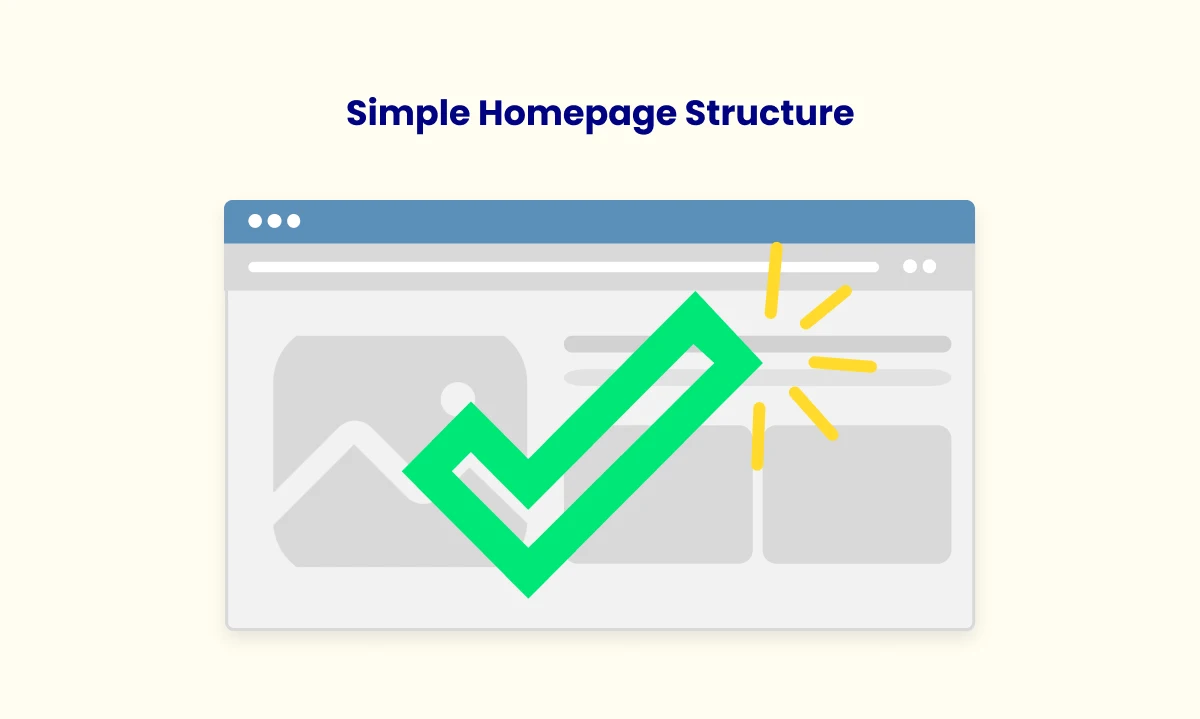
Pro Tip: Include a clear, compelling call-to-action above the fold. Something like “Get Your Free Quote Today” or “Schedule Your Consultation Now”.
Creating Location-Specific Pages
Let’s get a little more local now.
Create individual pages for each location or service area you cover. We covered this in detail in our website content for construction companies’ guides.
If you’re thinking that it’s a lot of content to create, you can always use AI tools.
They can help you draft location-specific content faster than you can say “pour the concrete”.
But remember, AI is like an apprentice. Always review and edit its work before publishing. We’re aiming for quality, not just quantity.
Incorporating Relevant Keywords
Keywords are the building blocks of SEO, but how we use keywords now has changed slightly. Search engines are now smarter than ever, and there isn’t really anything like “strategic keyword placement” anymore.
Just sprinkle location-specific keywords throughout your content to help the algorithms understand what your page is about. Avoid going overboard and aim for a natural flow that reads well to humans first, search engines second.
Using Schema Markup
There is no other way to describe schema markup other than that it’s like the blueprint of your website that search engines can read.
It tells Google exactly what each element on your page represents: your business name, address, services offered, etc.
Head over to schema.org (or our technical on-page SEO for construction companies guide) for the full guidelines.
It might look like a foreign language at first, but trust us, implementing a schema makes a world of difference. Search engines will immediately understand exactly what you’re about and boost your rankings.
Building Citations and Online Presence
Citations are the mentions of your business name, address, and phone number (NAP) across the web. Much like digital signposts pointing to your business.
NAP Consistency
Again, and we can’t stress this enough:
Your NAP needs to be more consistent than the quality of your construction work.
Every. Single. Time.
If your address is “123 Builder St.” on your website, it better not be “123 Builder Street” anywhere else.
Google’s watching, and inconsistencies can tank your local SEO faster than a poorly laid foundation.
Directories for Construction Companies
Time to get your business listed.
When you’re getting your business listed, don’t just do it everywhere. Only quality directories will boost your local SEO – and here’s how you can achieve that:
- Moz Local: This tool is like a treasure map for finding the top citation sources in your area. It’ll show you where your competitors are listed, so you can follow their blueprint (and then build something even better).
- BrightLocal: This tool isn’t just for finding directories – it’s for managing your citations too. It’s like having a project manager for your online presence, keeping everything organized and up-to-date.
Managing and Optimizing Citations
Building citations is not all. You’ve got to manage and optimize them too – which is what tools like BrightLocal are for.
Keep an eye on your citations.
Make sure they’re accurate, complete, and consistent. If you spot a mistake, fix it pronto. And don’t be shy about adding extra info like business hours, services offered, or even photos of your best work.
The more complete your listings, the more search engines will love you.
Earning and Managing Reviews
For local SEO, online reviews are your secret weapon.
They’re like having satisfied customers standing outside your business with megaphones, telling everyone how awesome you are.
Why are reviews so crucial? Simple:
They’re front and center in local search results, they boost your local SEO, and they influence potential customers more than your most persuasive sales pitch ever could.
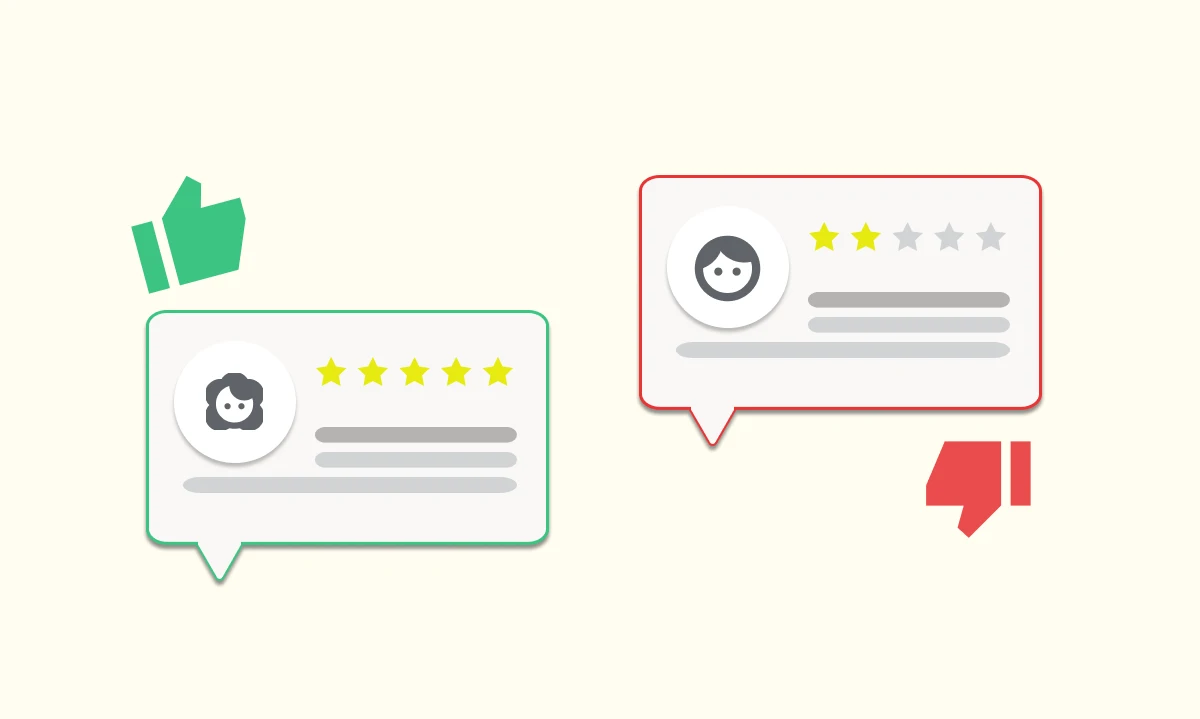
How to Earn Reviews Ethically
Sure, you can never have enough good reviews – but this doesn’t mean you hire an agency to spam your GBP, BBB, Yelp, or TrustPilot listings.
The only way to do it is the right way.
First up: review request cards.
These are like business cards, but instead of your contact info, they’ve got instructions on how to leave a review.
Hand these out after a job well done.
Next, follow-up emails.
After you’ve wrapped up a project, send a friendly email thanking the client and politely asking for a review. Include a direct link to your Google review page to make it easier than installing a pre-hung door.
Pro Tip: Time your requests right. Ask when the client is basking in the glow of their newly renovated space. That’s when they’re most likely to sing your praises.
Online Review Management
Alright, you’ve got reviews rolling in.
Now what? Time to manage them like a pro.
First rule of Review Club: respond to everything.
Good review? Say thanks. Bad review? Address it head-on.
Responding shows you’re engaged and care about customer feedback. It’s like customer service, but the whole world’s watching.
When responding to negative reviews, keep it cool.
Acknowledge the issue, apologize if necessary, and offer to make it right. It’s like defusing a bomb – careful, measured, and with the goal of turning a potential disaster into a win.
Leveraging Reviews on Your Website
Don’t let those glowing reviews gather dust on Google.
Showcase them on your website like trophies. Create a dedicated testimonials page, or better yet, sprinkle relevant reviews throughout your site.
Got a killer review about your kitchen renovations? Slap that bad boy on your kitchen remodel service page.
Pro Tip: Consider using a review widget that pulls in your latest Google Reviews automatically.
Leveraging Customer Signals
Customer signals are the digital footprints your potential customers leave when they interact with your business online.
Google’s watching these signals like a hawk, using them to gauge how relevant and popular your business is.
Click-Through Rate Optimization
Your click-through rate (CTR) is like the curb appeal of your digital presence.
The higher it is, the more Google thinks, “Hey, people really dig this business!”
One killer way to boost your CTR? Optimize those Google Business Profile posts.
Treat each post like a mini ad for your business.
Use eye-catching images, compelling copy, and clear calls-to-action.
Pro Tip: Use questions in your post titles. “Want to know the secret to a stress-free home renovation?” is way more clickable than “Home Renovation Tips”.
Driving Directions as a Ranking Signal
Here’s a curveball for you:
The number of people requesting driving directions to your business is a ranking factor. I know, right? It’s like Google’s saying, “If people want to go there, it must be good!”
So how do you boost this?
Make sure your address is accurate everywhere online.
Encourage people to use Google Maps to find you. You could even offer a small discount for customers who show they used Google Maps to get to your office.
It’s like leaving a trail of breadcrumbs right to your front door.
Hosting Local Events
Consider hosting workshops on home maintenance tips, or partner with a local realtor for a “New Homeowner’s Guide to Renovations” seminar.
You could even sponsor a community clean-up day.
The goal is to get your name out there and associate your business with positive community involvement.
Every event is an opportunity for local press, social media buzz, and yes, those precious backlinks we talked about earlier.
It’s like killing multiple birds with one stone – except instead of birds, it’s local SEO ranking factors, and instead of a stone, it’s your awesome community presence.
Creating Local Content
Create content that’s as local as your favorite hardware store. We’re talking about content that screams “We know this area!” louder than a jackhammer at 7 AM.
Developing Location-Specific Content
Here’s where we separate the local heroes from the out-of-town rookies.
Your content needs to be more specific to your area than a custom-built home.
Need ideas? Fire up an AI tool and ask it to brainstorm content topics for a construction company in your specific location.
You might get gems like:
- “5 Popular Home Styles in [Your City] and How to Renovate Them”
- “Building Regulations in [Your County]: What Homeowners Need to Know”
- “How [Your City’s] Climate Affects Your Choice of Building Materials”
And as we mentioned earlier, use AI for drafting, but always review, edit, and inject your local expertise before publishing.
Pro Tip: Pepper your content with local landmarks, street names, and area-specific challenges.
Strengthening Key Service Pages
Your service pages are the workhorses of your website. Time to trick them out with some local flavor.
First stop: Google Trends. Plug in your services and your location, and voila! You’ll see what locals are searching for.
Maybe you’ll discover that “energy-efficient home renovations” are trending in your area. Boom! There’s your cue to beef up your renovation page with info on local energy rebates and green building techniques popular in your city.
Remember: Strengthening your service pages isn’t just about cramming in keywords. It’s about answering local questions before they’re even asked. Be the local construction Wikipedia your potential clients didn’t know they needed.
Technical SEO Considerations
Technical SEO is the foundation of your digital house. Get it right, and everything else stands strong.
Mobile Optimization
News Flash: More people are searching on mobile than ever before.
If your site isn’t mobile-friendly, you’re about as current as wood paneling in a modern home.
Google’s Mobile-Friendly Test is your new best friend.
Run your site through it and fix any issues it flags.
Is your text too small? Buttons too close together? Fix it.
A mobile-optimized site isn’t just good for SEO. It’s good for users who might be looking up your contact info from a job site or browsing your services while stuck in traffic.
Site Speed Improvements
This is the age of instant gratification and a slow website is like a delayed construction project – nobody’s happy about it.
Fire up Google’s PageSpeed Insights and let it rip.
It’ll give you a speed score and suggestions faster than you can mix a batch of mortar.
Common culprits of slow sites?
Unoptimized images (compress them!), too many plugins (trim the fat!), and unminified CSS and JavaScript (time to clean up that code!).
Every second your page takes to load is another second a potential customer might bounce.
Speed it up like you’re working against a tight deadline – because you are!
Local Schema Markup
The Schema Markup Generator for local businesses is your one-stop shop.
It’ll help you create code that tells search engines exactly what your business is, where it’s located, what services you offer, and more.
Make sure you include:
- Your business name
- Address
- Phone number
- Hours of operation
- Area served
You’re giving Google a detailed map of your business. The more info you provide, the better it can match you with potential customers.
We get it that technical SEO might not be as exciting as swinging a hammer, but it’s just as important for building your online presence.
Get these fundamentals right, and you’ll have a digital foundation strong enough to support a skyscraper of success.
Measuring and Tracking Local SEO Performance
It’s time to crunch some numbers, because for local SEO, if you’re not measuring, you’re just guessing – not the best strategy.
Key Metrics to Monitor
These are the vital signs of your Local SEO health:
- Google Business Profile views: The foot traffic for your digital storefront.
- Click-through rate (CTR): Are people just window shopping, or are they stepping inside?
- Direction requests: The digital equivalent of “How do I get to your office?”
- Phone calls: Old school, but gold. If they’re calling, they’re interested.
- Website visits from local searches: Your SEO breadcrumbs are working!
- Local keyword rankings: Are you the top dog for “best contractor in [city]”?
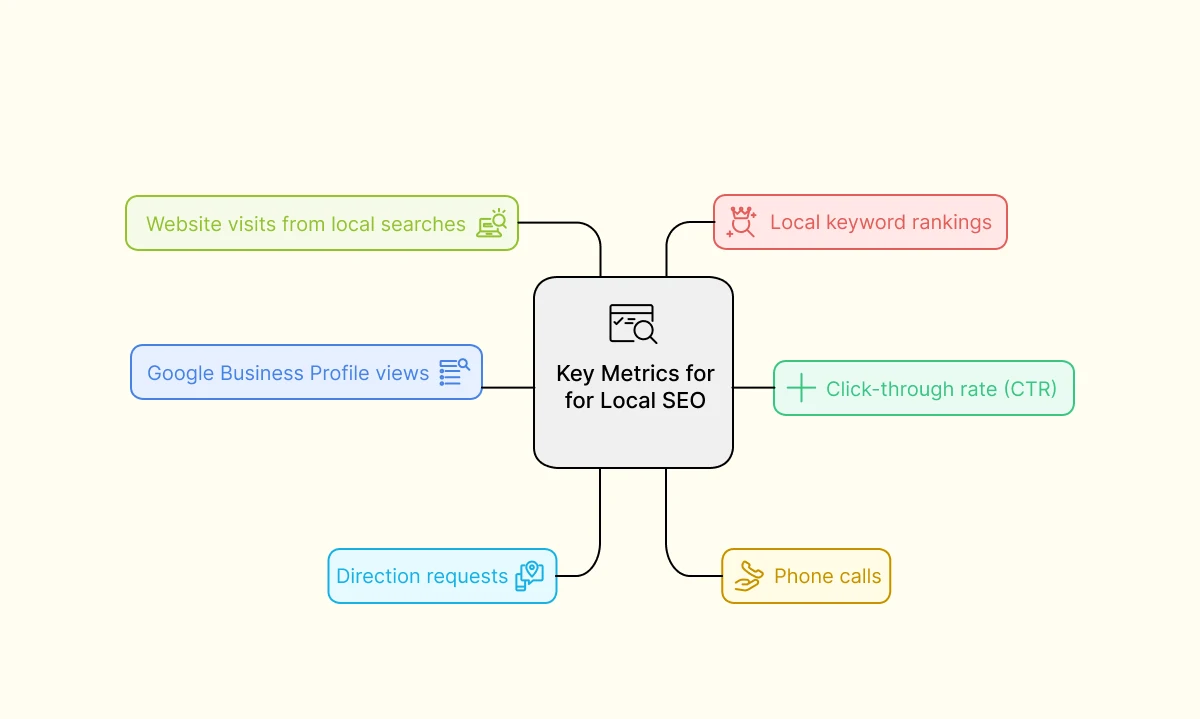
Keep an eye on these like you’re monitoring concrete curing times.
They’ll tell you if your local SEO is setting properly or if it needs some adjustment.
Tools for Tracking Local Rankings
Here are some power tools to add to your Local SEO toolkit:
- Google Business Profile Performance Report: This is your command center for local performance – like a drone view of your local digital presence.
- Google Search Console: Want to know what queries are bringing people to your site? GSC is like mind-reading your potential customers.
- Google Analytics: The Swiss Army knife of web analytics. Track everything from where your visitors come from to how they behave on your site.
- Local Falcon: This bad boy gives you a grid view of your local rankings. You’d have a map of your SEO territory, showing you where you’re strong and where you need to fortify.
Use these tools regularly, and you’ll have more insight into your Local SEO performance than a foreman has into his job site.
Additional Tips and Best Practices
Alright, we’re in the home stretch. Let’s cap off this Local SEO masterclass with some pro tips and best practices that’ll have you building an empire in no time.
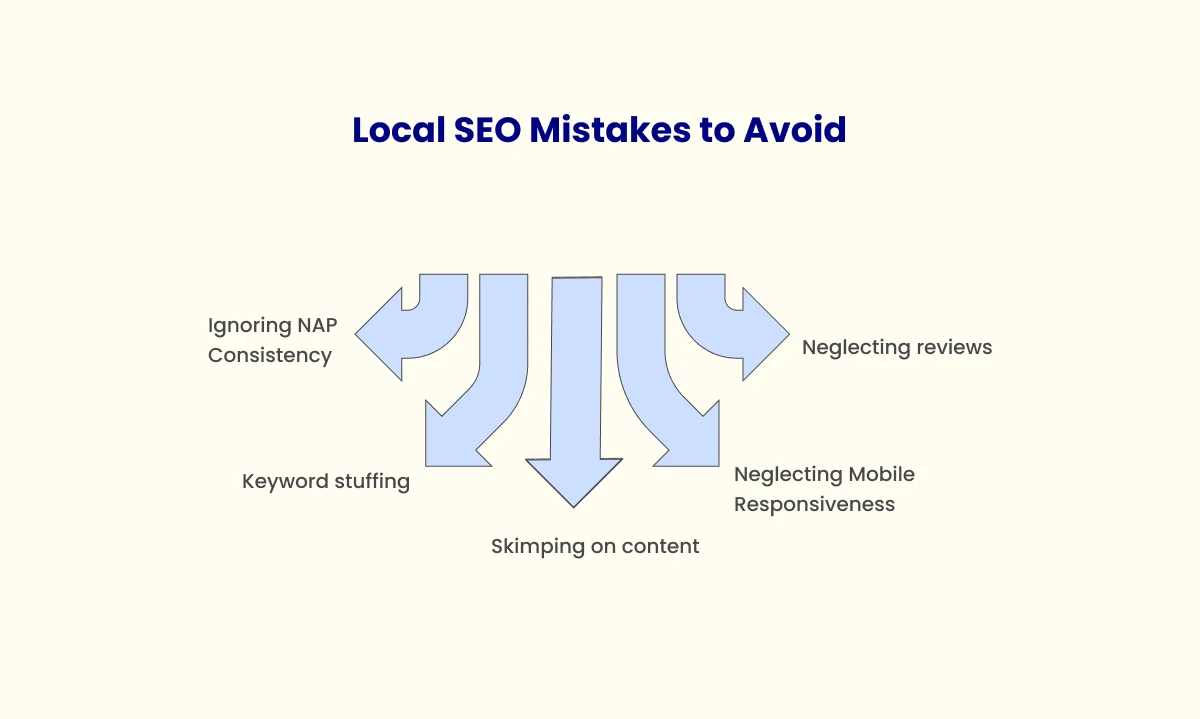
Avoiding Common Local SEO Mistakes
Don’t let these rookie mistakes turn your local SEO efforts into a house of cards:
- Ignoring NAP consistency: Your Name, Address, and Phone number should be more consistent than your coffee order.
- Neglecting reviews: Ignoring reviews is like ignoring a leaky roof. Fix it before it becomes a bigger problem.
- Keyword stuffing: It’s 2023, not 2003. Stuffing keywords is as outdated as using asbestos for insulation.
- Forgetting about mobile: If your site isn’t mobile-friendly, you’re basically turning away half your potential customers.
- Skimping on content: Thin content is like thin walls – it won’t stand up to scrutiny.
Avoid these, and you’ll be ahead of most of your competition already.
Staying Up-to-Date with Algorithm Changes
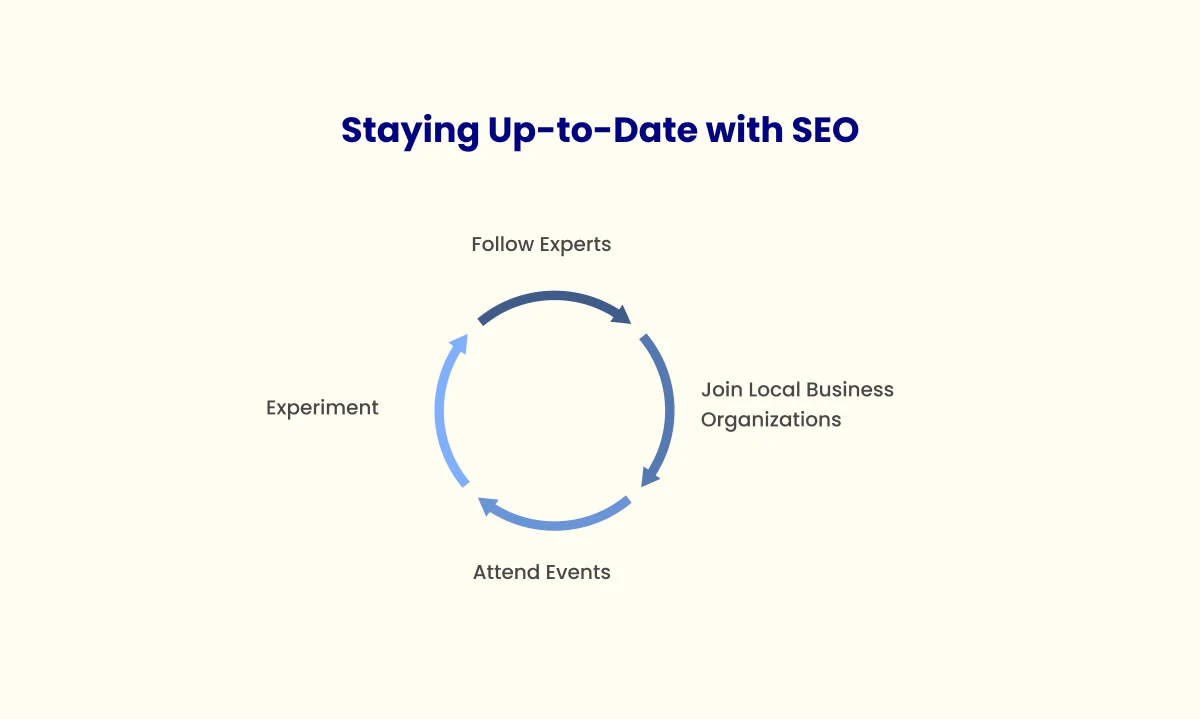
The SEO industry changes faster than building codes.
Here’s how to keep up:
- Follow the experts: Make Moz, Search Engine Journal, and Search Engine Land your new favorite reading material.
- Join local business organizations: Not only are these great for networking and potential citations, but they’re also hotbeds of local marketing intel.
- Attend webinars and conferences: SEO pros love sharing knowledge. Soak it up like a sponge.
- Experiment: Don’t be afraid to try new strategies. SEO is part science, part art. Sometimes, you’ve got to freestyle a bit.
Staying current with SEO takes regular effort, but it makes every job easier.
We’re Almost Done Now
You’re now armed with enough Local SEO knowledge to build a digital skyscraper.
Just remember that local SEO isn’t a one-and-done deal. It’s an ongoing process, like maintaining a well-built structure. Keep at it, measure your results, and adjust as needed.
Now before you go out and dominate those local search results like the construction SEO pro you are, we have one last bit of value to add:
You’re doing SEO but you need to know if your efforts are making any difference or not. The only way to do that is to track your performance – and we’re going to cover that in the next guide.
Don’t miss out on what really matters: the results.
Measuring the SEO Campaign Results
Find out how Back Bay Digital can help your construction company grow with SEO.