

How to Write Compelling Construction Company Content – Do’s & Don’ts
In our last chapter, we tackled the nitty-gritty of technical and on-page SEO.
The focus was on making sure that your site isn’t just visible to search engines but also offers a top-notch user experience. However, those technical components in themselves aren’t enough.
Your website content needs to engage with the visitors it attracts and convert them into clients—and this chapter will help you achieve just that.
Here’s how to write compelling construction website content that hooks your audience, delivers value, and drives them to take action.
Create Different Types of Content for Different Needs
Let’s start with the types of pages you should have on your site.
- Standard website pages: Home page, about us page, services page, case studies, past projects, contact page, and quote page (optional).
- Service & area pages: Each page for a specific service in a specific location.
- Resources: Blogs or insights, such as how-to articles, tips and tricks, etc.
Each page or page category has a different purpose, so you should customize the writing approach as well.
Standard pages are important, but they’re not the focus of this chapter. For now, let’s dive into writing the service-location pages (or SLPs, as we like to call them) and then cover the process for blog content.
How to Write Service-Location Pages (Step-by-Step Process)
Service pages educate your website visitors about your service offerings. Here’s how you can structure and create them.
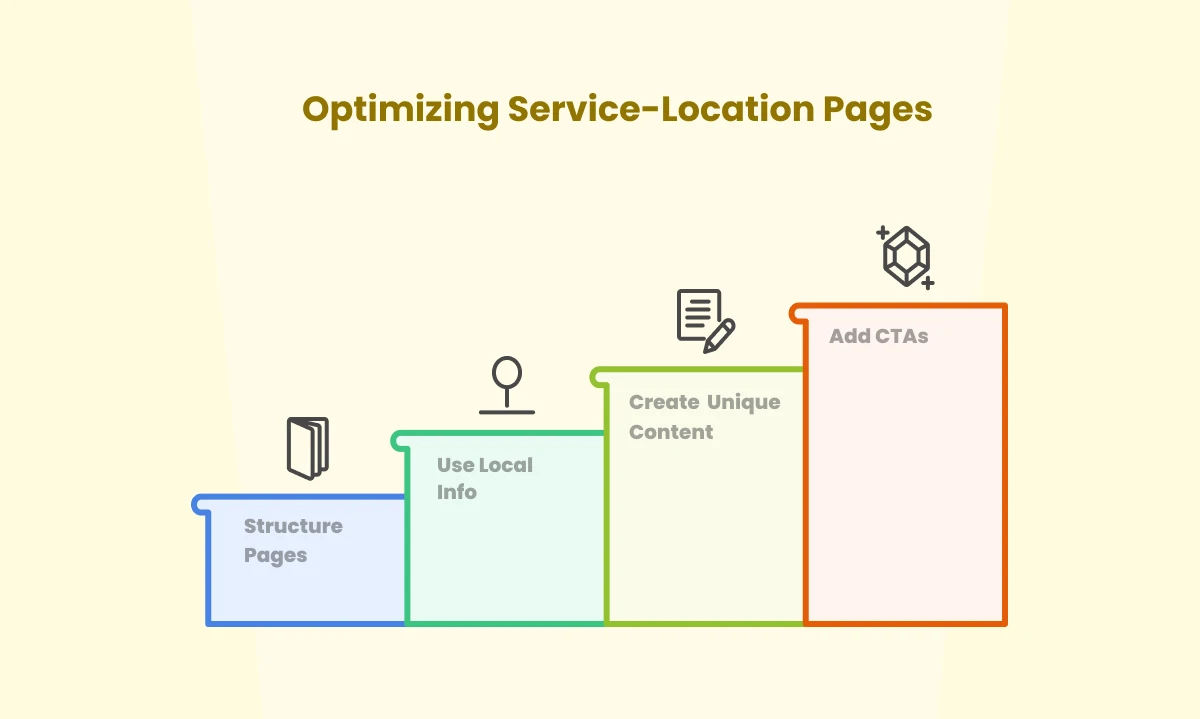
Structuring Your Service-Location Pages
How well a service page communicates your service to your website visitors depends on how you structure them. We don’t recommend creating one single page for all your services. It doesn’t really allow you to dive into all the details and reap all SEO benefits.
Instead, the approach we prefer is that of content clusters (as we discussed in chapter 4). So, what you do is first create individual pages for each service, for example:
- Residential Construction
- Commercial Construction
- New Construction
- Remodeling
Then, each of these pages act as pillar content, enabling you to create cluster content for each of your specific locations.
- Residential Construction
- Residential Construction in San Diego, CA
- Residential Construction in Los Angeles, CA
- Residential Construction in San Bernardino, CA
- Commercial Construction
- Commercial Construction in San Diego, CA
- Commercial Construction in Los Angeles, CA
- Commercial Construction in San Bernardino, CA
And so on.
This way – and if all the pages are optimized properly – you’d boost your reach through organic search many times over compared to the single, comprehensive services page.
Why? Because the goal of location-specific pages is to enhance your local SEO. It improves your chances of ranking higher in location-based and ‘near me’ searches.
Use Location-Specific Information
When writing content for each page of your construction website, add distinct, meaningful, and locally relevant information to optimize its relevance.
Use your local pages to highlight unique achievements, such as recent renovations of historic properties and successful government contracts secured in recent years in the specific city. Even talk about local construction/renovation laws – it would add to your credibility and authority (more on it later) as a service provider.
The added benefit? Such details will also enhance your page’s relevance and rankings.
Create Compelling Content
In the SEO industry, agencies typically treat service-location pages as mere checkboxes for when doing local SEO for their clients. They hardly give much thought and respect to the actual value such pages generate for readers.
This lack of attention results in SEOs often copy-pasting the same pages over-and-over and simply swapping the city and state names.
This is a bad idea.
Don’t get us wrong: copy-pasted content that you produced yourself might still rank. But creating a new page – albeit with a similar outline/heading structure – for each of your service and location has its added benefits. For example, you’d be able to:
- Target a variety of keywords through different pages;
- Showcase more of your industry and service knowledge;
- Showcase more of your recent work in different cities;
- Minimize chances of getting hit by a Google Search update that targets copy-paste content.
Just remember that authentic content goes beyond keywords. It provides value to the readers and helps you build reputation.
Take your time with all the pages and focus on helping the readers make an informed decision of choosing your construction company for the job.
Include Simple CTAs and Forms
Call-to-Action or CTAs are prompts or instructions that encourage users to respond or take action. Phrases such as “call now for a free quote,” “visit this page for more details,” “register for a free inspection,” etc., are all CTAs.
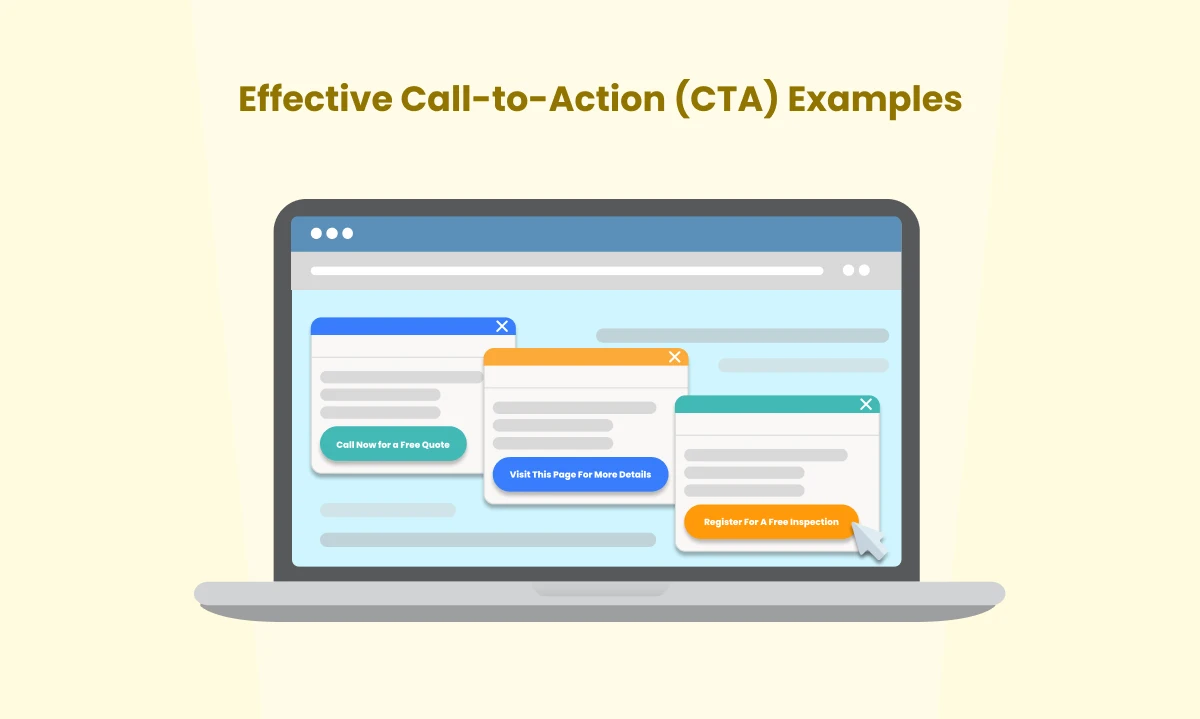
Why do CTAs matter?
The average attention span of a website visitor is 8 seconds.
Within this brief window, your content must convince your visitors and prompt them to take action. This could be contacting you for an estimate, reading your reviews, or visiting other pages for more details.
The action you want the reader to take should be straightforward.
Your visitors should immediately know what to do if they want to do business with you.
They will leave if you leave them confused and annoyed with minimal contact details or lengthy contact forms.
How to Write Content Under Your Blog (Step-by-Step Process)
Blogs increase your chances of securing 67% more leads than your non-blogging competitors. This is mainly for two reasons:
- Content Marketing: Informative blog posts such as ”how to build energy-efficient homes” provide value to your readers, helping them in their customer journey and boosting your reputation as an industry expert.
- Backlinks: Blog posts like a “roof maintenance checklist,”’ attract backlinks, helping you build more credibility with search engine algorithms.
However, you’d only achieve the above two results when you’re creating content for your construction company blog properly. Here’s what that looks like.
Understand the Search Intent and Choose the Right Content Format
Before you start typing away, take a moment to understand why your audience is searching for information.
Are they looking for a quick answer, a detailed guide, or product comparisons?
This is search intent, and it’s crucial for delivering content that hits the mark.
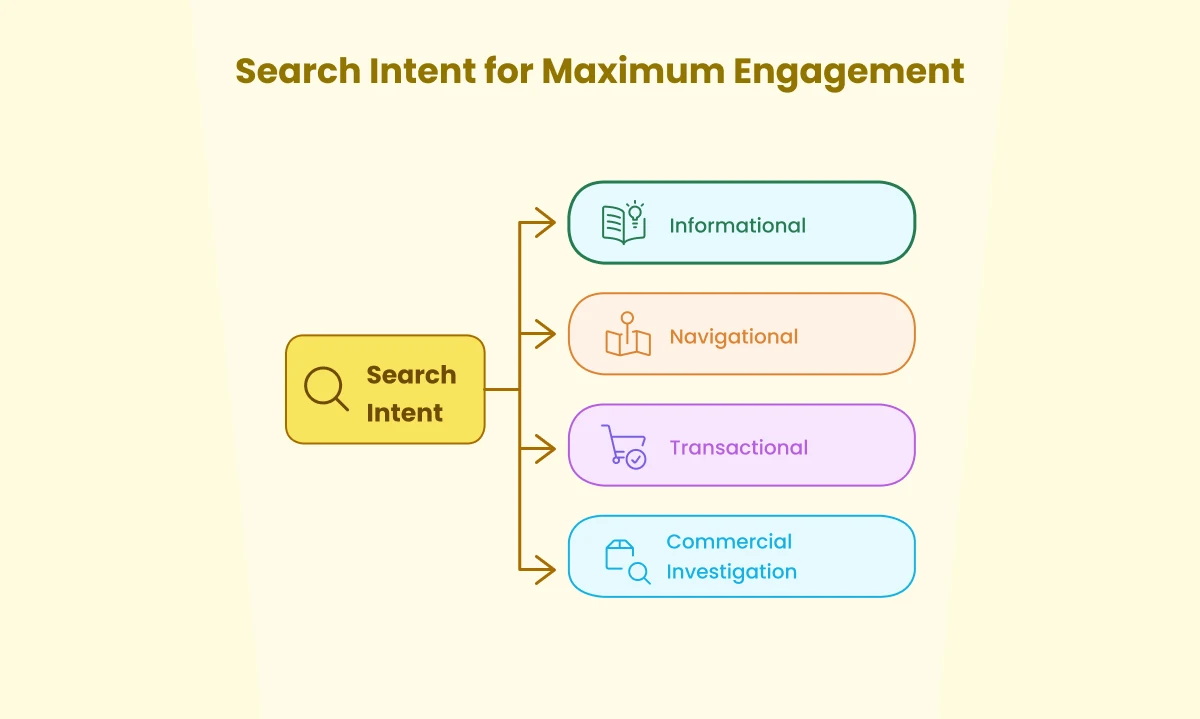
Once you’ve nailed the intent, choose a content format that best serves it. For “how-to” queries, a step-by-step guide might be perfect. For comparisons, a detailed chart could do the trick.
Remember, matching your content format to search intent isn’t just good for your readers—it’s a signal to search engines that you’re providing relevant, valuable information.
Use Keyword Research to Get Content Ideas
Keyword research isn’t just for SEO—it’s a goldmine for content ideas. Tools like Ahrefs’ Keywords Explorer can reveal what your target audience is actually searching for.
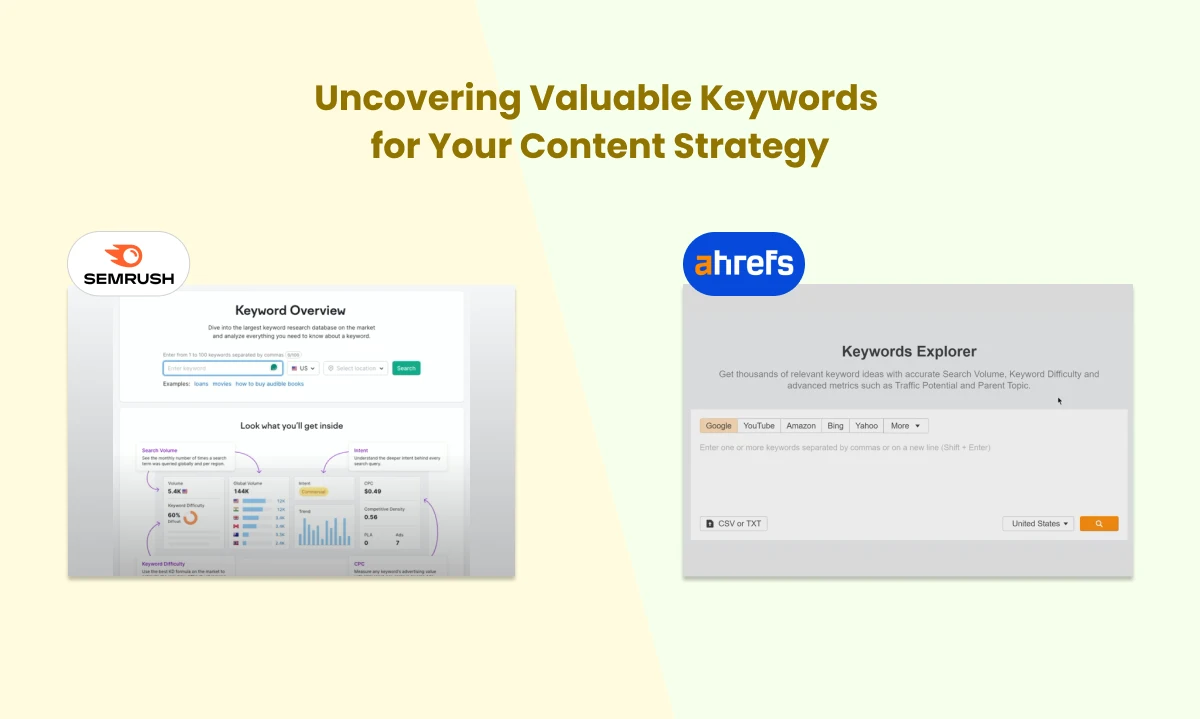
Look for keywords with decent search volume and manageable difficulty.
But don’t stop at the obvious ones.
Dive into the “Questions” feature to uncover specific queries your audience is asking. These can be turned into entire blog posts or FAQ sections.
Pay attention to related terms and variations too—they can inspire spin-off topics or help you cover a subject more comprehensively.
You may also try:
- Audience survey: Create a survey asking people about their biggest construction-related challenges. Incentivize participation with discounts. Evaluate these responses to generate content ideas.
- Free FAQ. Search tools such as AnswerThePublic can dig out questions people often ask around your targeted keywords. These serve as excellent blog post topics.
- Explore Quora, Reddit and other forums to find out construction industry questions. Create resourceful content around these questions.
Offer Practical Tips That Help the Readers
Your readers are coming to you for solutions, so make sure you’re delivering. Pack your content with actionable advice and practical tips that your audience can implement right away.
If you’re writing about home renovation, don’t just say “update your kitchen”—give specific, budget-friendly ideas like:
- “Replace old cabinet handles with modern ones” or
- “Apply a fresh coat of paint to cabinets for an instant refresh.”
The more practical value you provide, the more likely readers are to trust your expertise and return for more advice.
Create a Topic Cluster to Engage Your Readers
Topic clustering (also called content hub, or content silo) is a content strategy where you create comprehensive pillar content on a broad subject and add related subtopics around it.
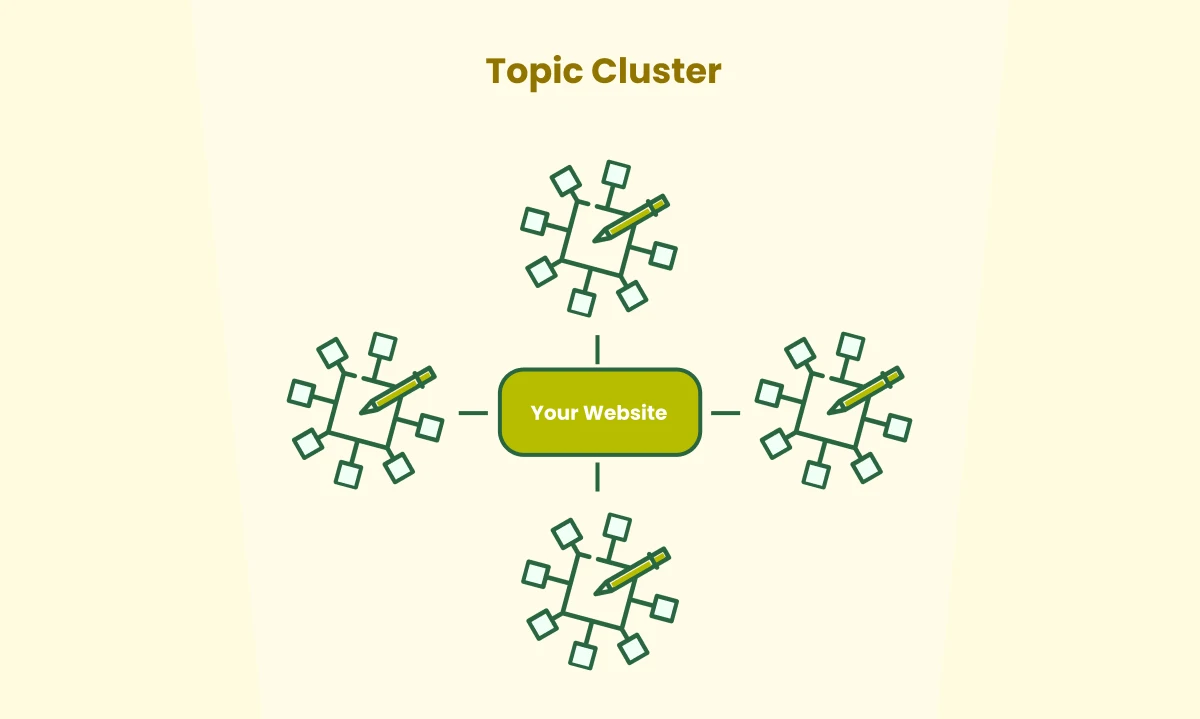
Take sustainable construction practices as an example. It covers several subtopics, such as
- sustainable building materials
- eco-friendly homes
- energy-efficient homes
- green roofing systems
- living walls
- passive solar heating
- solar panel integration
- LEED certification process
- sustainable concrete alternatives
- rainwater harvesting systems
- and so on…
The goal is to create a web of interconnected information that encourages users to explore more on your site.
Why?
It positively impacts your SEO efforts and increases the likelihood of conversions as readers spend more time on your website.
Add Infographics for Quick Reference
Enhance your blog’s appeal by going beyond plain text.
Add images, videos, infographics, comparison tables, statistics, charts, maps, and more wherever possible.
Visual elements facilitate better understanding.
Research shows that people remember information presented visually more effectively than plain text.
Do’s of Website Content for Construction Companies
1. Write Content That Interests Your Audience
When you’re writing content – be it a service-location page or a blog post – avoid repeating information that’s obvious (i.e. something the reader already knows or is irrelevant) or you’ll lose their attention fast.
Put yourself in your readers’ shoes and be clear about what construction-related services or information they seek.
For instance, if someone seeks emergency demolition services and lands on your site, provide immediate, clear guidance on what to do, how to do it, and what to avoid.
Studies reveal that people read less than 28% of the content.
They scan it, often in an F-pattern. So, to maximize effectiveness, present your information in a scannable and F-pattern format.
2. Write as If You Are Having an Actual Conversion
Avoid lengthy, academic-style writing. Cut through the noise and write straightforward, engaging content. You can easily achieve this by writing short, conversational sentences.
Just as you would when you’re speaking to a friend.
Pro Tip: Use active voice while writing.
3. Show Authority and Credibility
If you’ve read past chapters of this SEO guide, you would’ve come across the librarian analogy for search engines (i.e., that search engines operate much like librarians).
Let’s revisit it here:
You ask a librarian for a book on biology. Are they likely to give you an unknown, obscure book that no one has ever heard of? Or, a book that’s known to capture the topic unlike any other?
Obviously, the latter.
Similarly is the goal of search engines. Their algorithms have built in frameworks to identify the most authoritative and trustworthy resource from the web for their readers.
An example is Google’s EEAT framework, which stands for Experience, Expertise, Authoritativeness, and Trustworthiness.
So, if your content doesn’t provide information to that standard on insights related to the construction work and industry, your content wouldn’t rank.
4. Provide Clear Value
How do you deliver EEAT-focused content?
Let’s suppose your readers (or potential clients) want to know about construction permits, material options, scheduling, safety measures, and costs.
You can either leave them guessing… or, create a comprehensive FAQ covering everything..
An FAQ that answers questions such as project duration, occupancy during renovations, liability for damages, post-worksite cleanup, and accepted payment methods.
These will help your audience feel more confident to choose you.
5. Take Inspiration from Your Competitors
We often hear “Don’t compare your business with that of your competitors.” Which is true. You’re you and you’re better.
However, who said don’t do better than your competition?
That’s really the only thing that helps you improve.
When you’re thinking about SEO, monitor your competitors for:
- The type of content they produce
- The kind of topics they choose
- The tone, structure, and format they use
- The content that generates the highest engagement for them
These insights will help you eliminate guesswork and create a more effective content strategy.
Pro Tip: When you’re researching competitors, don’t limit yourself to your geographical area. If there are bigger fish out there, see what they’re doing to be that big. This broader perspective can unlock valuable strategies and ideas for your business.
6. Add New Content Regularly
Search engines don’t have strict rules about publishing a specific number of blogs regularly.
However, frequently publishing new blogs, articles, and case studies can significantly enhance your website’s credibility and boost its rankings.
But there’s definitely a fine line here: Don’t just post for the sake of posting.
Quality is just as important.
If you don’t have fresh content, take a break from posting and focus on updating the existing ones. Here’s what we mean by that.
7. Update Your Existing Content When Needed
Freshness signals relevance and ensures the information is up-to-date for readers.
So, it’s not just about adding new content, updating existing pages is equally crucial.
Here’s what you should do:
- Replace outdated statistics with current data.
- Enhance pages by incorporating new sections on recently introduced services, processes, or offerings.
- Remove broken links.
- Infuse freshness by adding recent testimonials and images.
Don’ts of Website Content for Construction Companies
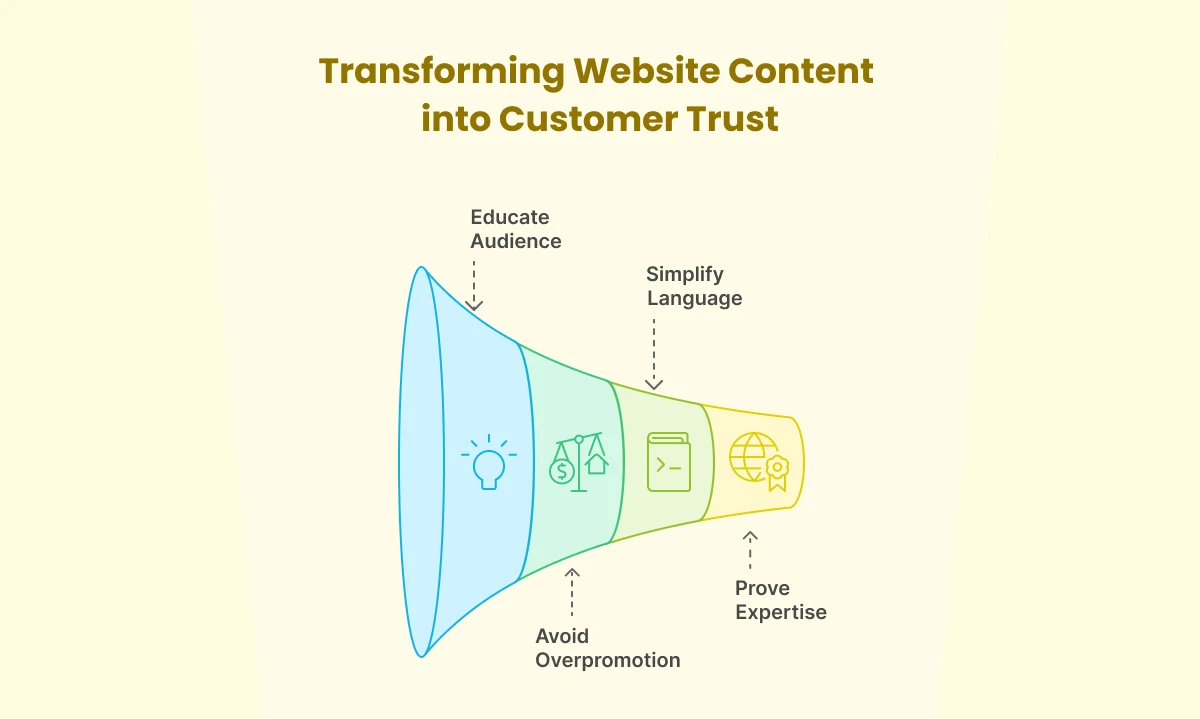
1. Don’t Just Advertise, Educate
Center your blogs, how-to guides, checklists, and e-books on educating your readers. Educating your ideal customer is really why blogging, vlogging, and social media marketing are all synonymous with “content marketing” – that is, marketing through content creation.
- Provide insights, tips, DIYs, the latest trends, and info tailored to their interests.
- Address your audience’s questions and challenges.
- Offer them practical solutions and guidance.
And while you’re at it, subtly mention your services. Just avoid overdoing it.
Such valuable content will increase the likelihood of your readers becoming your customers.
2. Don’t Overpromote Yourself
Continuing the idea from above, while writing construction website content, use the “pull strategy.”
Push strategy aggressively promotes products, whereas the pull approach focuses on educating the audience with valuable information, insights, and solutions.
While push strategies create awareness, excessive self-promotion can raise doubts about credibility.
Try to strike a balance.
Showcase your expertise but, at the same time, address your audience’s needs.
This subtle marketing approach helps build trust.
3. Don’t Use Jargon That Overwhelms Readers
Your audience may not know much about construction.
They may need to learn the meaning and benefits of many things and processes.
So, simplify complex terms and processes for them.
Straightforward, jargon-free text will not only enhance understanding but also encourage engagement.
4. Don’t Just Claim Your Expertise, Prove It
Avoid generic claims like ‘years of experience.’ Prove expertise by specifying:
- Certifications and accreditations
- Compliance and safety measures
- Honors and awards
- Successful projects
- Specialty areas
- Team qualifications
- Innovative methods
- Case studies
- Client testimonials
Pro Tip: Instead of stock photos, use real pictures of your team, worksite, and projects to showcase authenticity. Display your address on the website if you have an office. Show your team on your About Us page. All of this will 10x your credibility online.
FAQs – Construction Company Web Content
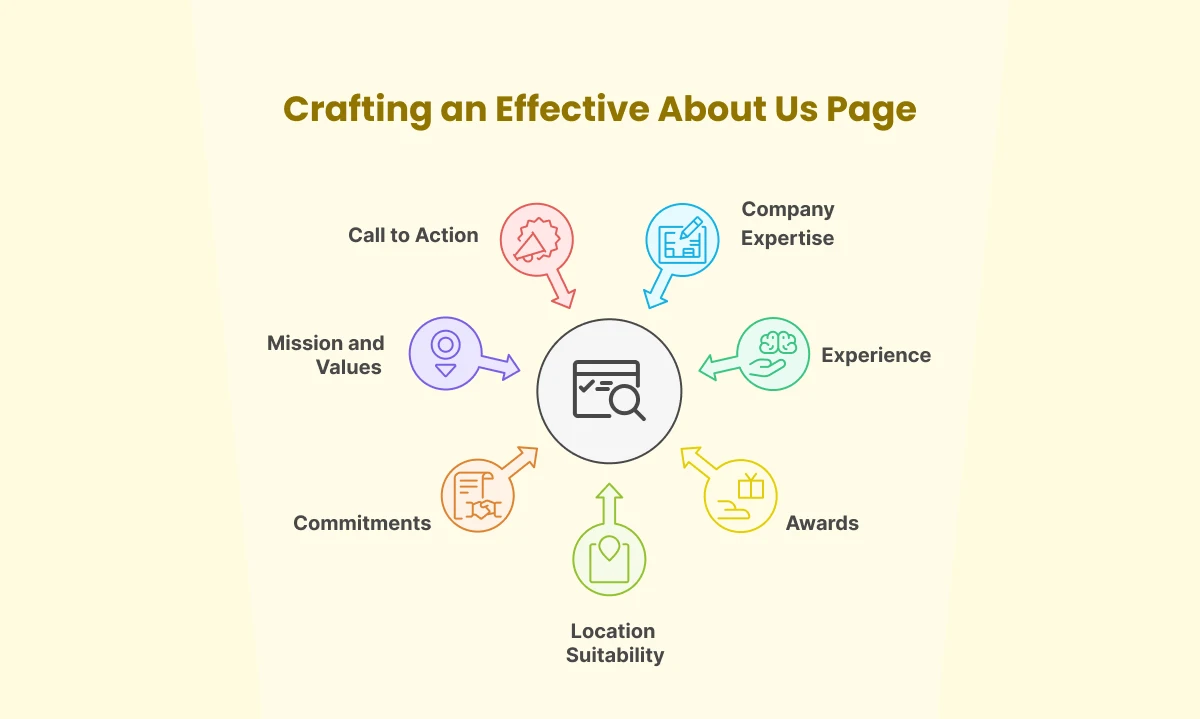
How to Write a Construction Company’s “About Us Page” Copy?
It’s really simple.
- Describe your company’s expertise and strengths.
- Talk about your experience. Mention the year the company was founded.
- List any awards and recognitions you have achieved.
- Explain why you are an excellent choice for construction needs in your targeted location.
- Talk about your commitments, mission, and values.
- End your copy with a CTA.
Keep your company description short and focused. Avoid unnecessary details and excessive self-promotion.
What Type Of Content Is Best For A Construction Website?
A HubSpot study has concluded that blogging is still an excellent way to impress your target audience.
You can create blogs around diverse topics such as product comparisons, DIY articles, how-to guides, video tutorials, checklists, FAQs, and insights into new technologies and sustainable practices.
Use Google Trends, Ahrefs Content Explorer, Ubersuggest, Answer the Public, Quora, Hubspot Blog Ideas Generation, Scoop it, and more to generate exact topics.
Can Incorporating Customer Reviews And Testimonials Into Your Website Content Make A Difference?
It will make more than just a difference. In fact, it is one of the best ways to social proof your business. Customer reviews and testimonials on your website make a real difference, especially when they’re verifiable.
They serve as tangible evidence of your quality and customer satisfaction, enhancing trust more effectively than unverified testimonials.
Including links to or mentioning the source of reviews boosts credibility and attracts prospective clients.
Wrap Up: Write Content That Hooks, Informs, Compels, & Sells
Let’s face it: Killer content is the backbone of any successful construction website. But it’s not just about slapping some words on a page and calling it a day.
We’ve covered the essentials: crafting diverse content types, nailing search intent, and serving up actionable tips your readers can use right away.
The endgame? Content that climbs the SERPs and turns visitors into loyal clients.
But here’s the kicker:
Even the most epic content needs a boost to really shine. That’s where our next chapter comes in: Link Building for Construction Companies.
We’ll show you how to turn your content into a link-earning machine, skyrocketing your site’s authority and visibility. It’s the one-two punch your construction website needs to crush the competition and pull in those high-value leads.
Link Building for Construction Companies
Find out how Back Bay Digital can help your construction company grow with SEO.