

Google Ranking Factors for Construction Companies
The Top 7 That Really Matter for SEO
Today, we’re stepping it up by diving into Google’s top ranking factors.
You’ll learn what really moves the needle in Google’s algorithms and how you can use that knowledge to dominate search results.
Sound good? Let’s get into it.
What are Google’s “Ranking Factors”?
The internet hosts billions of web pages.
Search engines like Google use ranking factors to retrieve the most relevant pages for your search query.
Specifically, Google evaluates web pages based on approximately 200 ranking factors, acting as criteria to determine their relevance and quality.
But there’s good news: You don’t have to worry about all those ranking factors.
In fact, if you only follow the seven most important factors for 2024 and optimize your content accordingly, you’re guaranteed to see results in a few months.
(Read till the end, and you’ll see a bonus ranking factor for local search (map pack) ranking factors!)
1. High-quality Content
First things first: Content is king.
The purpose of search engines is to return high-quality, relevant search results.
So, if your content isn’t high-quality and super-relevant, you won’t be able to drive any traffic. And even if you do end up with some traffic, you won’t benefit from it—as your content wouldn’t be relevant to the user’s query.
Online visitors just won’t trust you enough to buy from you.
The cure is simple.
Focus on unique, fresh content that provides value to the reader.
The quality of your content matters more than how optimized your pages are.
What Makes High-quality Content?
E-E-A-T
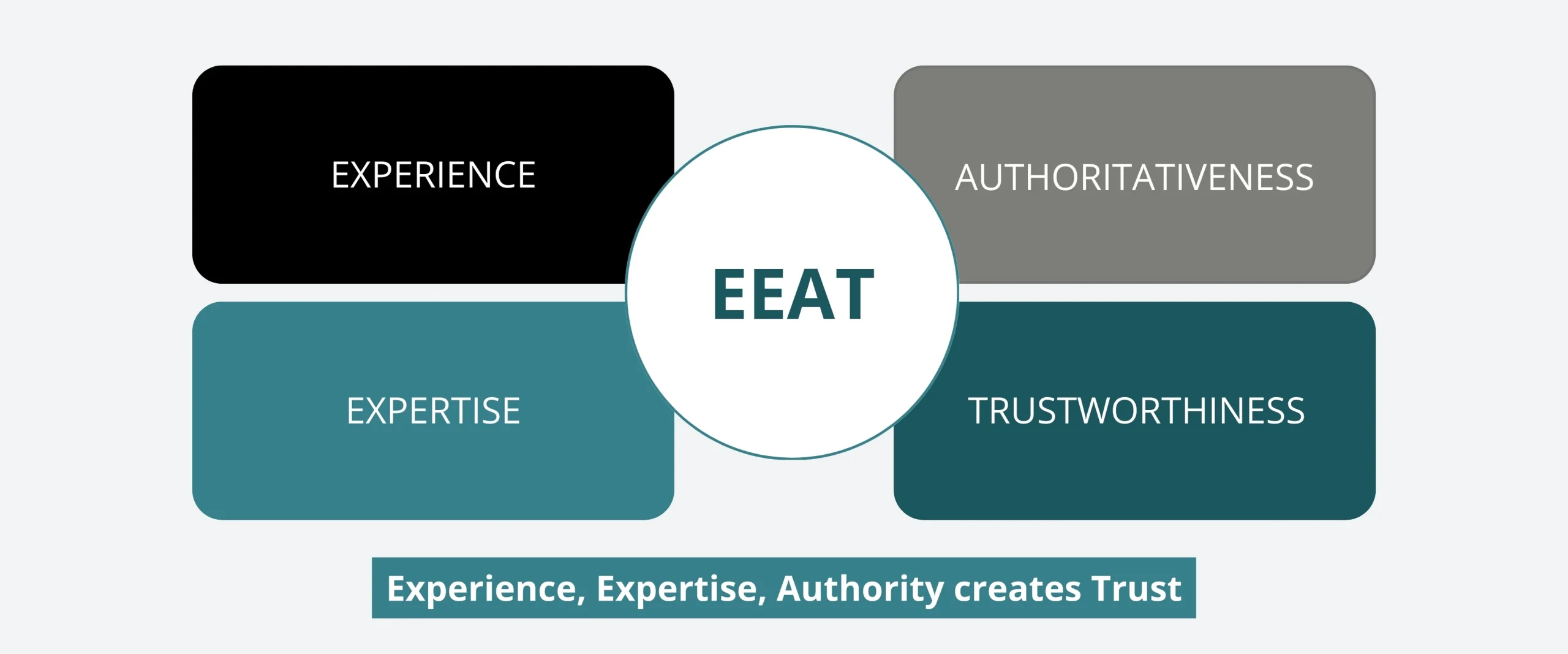
E-E-A-T is short for Experience, Expertise, Authoritativeness, and Trustworthiness. It is a set of criteria used by Google to evaluate the quality and reliability of website content, particularly for areas where there’s a possibility of misinforming the reader.
- Experience: Showcase firsthand experience. Share personal stories, case studies, or real-life examples to demonstrate direct engagement with the topic.
- Expertise: Highlight credentials and deep knowledge. Use author bios to display qualifications and expertise and create detailed, well-researched content.
- Authoritativeness: Establish a strong reputation. Cite credible sources, earn mentions from reputable sites, and display awards and recognitions.
- Trustworthiness: Build credibility and transparency in your content by including clear contact information, using secure transactions, displaying user reviews, and maintaining high ethical standards.
Useful, Unique and Valuable
Simply put, the content should help the reader solve their problem.
It should be unique and not copied from elsewhere, and it should add something to the reader’s knowledge that they didn’t know before.
Here’s how you can ensure your content is all of that.
P.S. You don’t need to take notes at this stage. At the end of this guide, we have a complete, downloadable checklist for you—totally FREE!
1. Identify Your Audience’s Pain Points
Start by understanding the common challenges or questions your target audience faces.
- What do they want to know about construction projects?
- What problems are they trying to solve that your services can help with?
- What are their biggest challenges and primary goals?
Once you’ve got a clear picture, you can tailor your content to address these issues directly.
2. Offer Solutions
Your content should not only highlight problems but also provide actionable solutions.
For instance, if you’re discussing “How to Choose the Right Contractor,” don’t just list the issues one might encounter.
Instead, offer a step-by-step guide on vetting potential contractors, questions to ask them, and what red flags they should watch out for.
3. Incorporate Case Studies and Real-Life Examples
Nothing speaks to your expertise and the value you provide as showcasing the projects you’ve completed does.
Detailed case studies with photos and videos that walk readers through the project’s challenges, your innovative solutions, and the results achieved are incredibly compelling.
Case studies demonstrate your capability.
They help potential clients visualize what you can do for them.
4. Leverage Multimedia
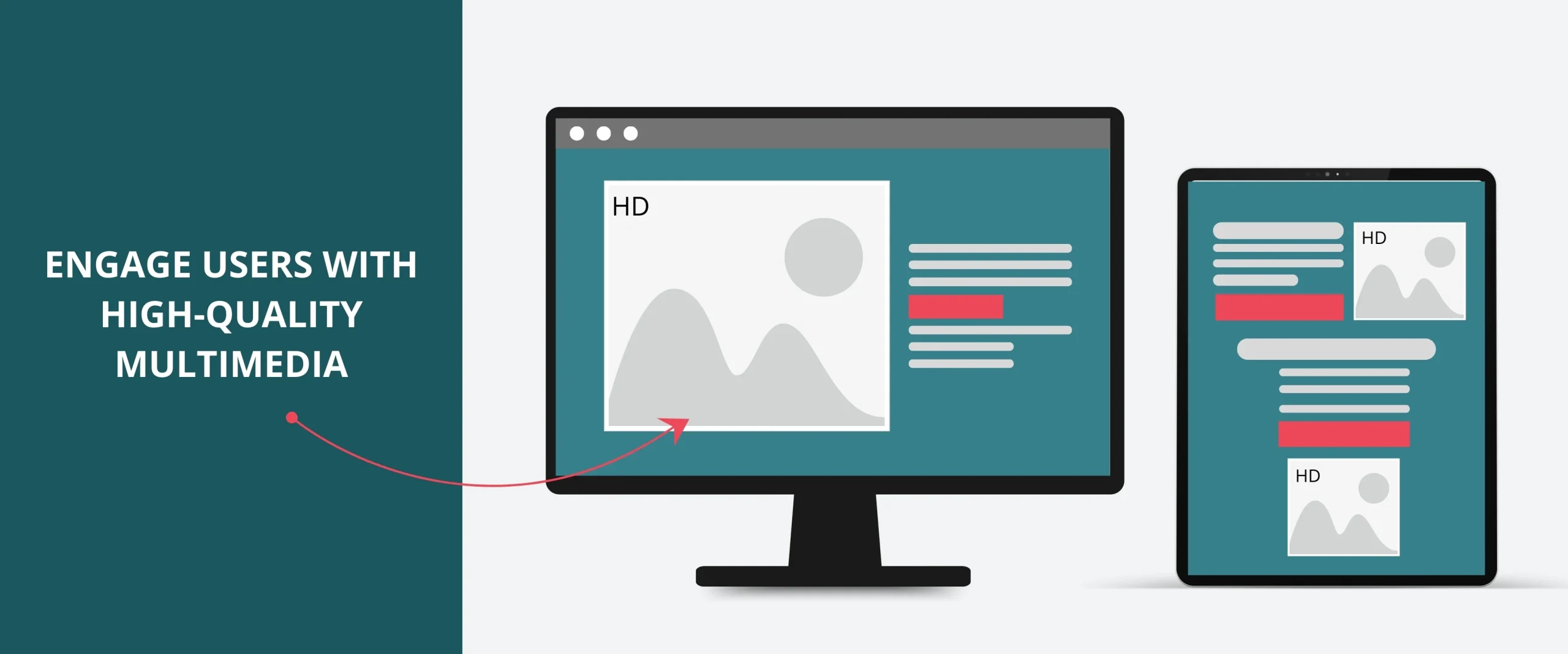
High-quality photos and videos of your projects and your team in action can make your content more engaging and shareable.
This variety not only caters to different learning styles but also helps in keeping the audience engaged.
And guess what?
The more a reader stays on your page (and the less your bounce rate, i.e., the rate of new visitors exiting your website soon after opening it), the greater the chances of your page ranking higher in the search results.
5. Update Regularly
Creating content is not a one-off job and updating your content regularly is key.
See, the construction industry constantly evolves with new technologies, materials, and regulations.
If your content doesn’t reflect the latest information, your readers (or potential customers) may realize you’re not the contractor with cutting-edge technology to help them.
Fresh website content positions you as a go-to source for the latest information. And more than that, it signals to Google that your site is active, positively impacting your rankings.
6. Focus on the Reader and Optimize for Search Engines
The points above were about making the content as helpful for the reader as possible.
While that should be your primary focus always, you should also keep content optimization (for search engines) in mind.
The idea is to add keywords (phrases people are searching on Google to find the type of content you’re creating) organically, where possible.
Tools like Surfer SEO or NeuronWriter are great for keyword research and optimization.
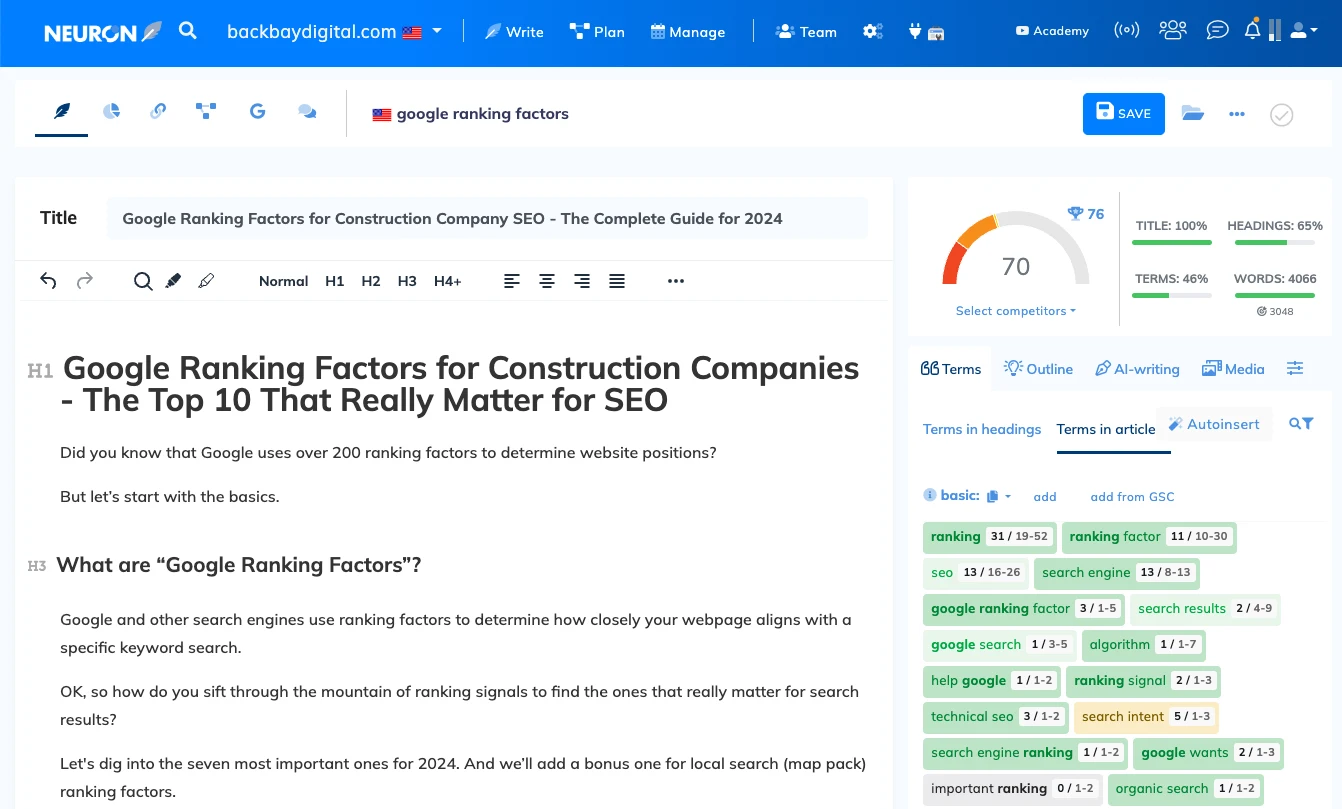
But when you’re on it, be sure not to go overboard.
An overly optimized copy can feel forced and may turn readers off.
Worse yet, it may tell Google that your content has less substance and that you’re trying to rank through keyword stuffing.
Just write naturally and use keywords where they make sense contextually.
7. Write the Way You Speak
Keep your content’s tone friendly and conversational.
Nothing too corporate or casual, just a little semi-formal.
Avoid complex language or jargon. Simplify concepts for your audience, especially when your customers are homeowners, not businesses.
Remember, online visitors prefer accessible, easy-flowing content.
8. Include Relevant and Useful Links
Being persuasive is also important, and language alone doesn’t cut it. When you cite highly credible sources, it does two things for you.
First, it tells your readers that you’re not just shooting in the air and have sources to back your facts. Second, it tells Google that you’ve curated content by heavily researching the topics and are a credible source to find the answer.
So, where possible, include links to reputable external resources. And, where possible, also include links to other content on your site—this would help you retain visitors for longer.
Information Gain
In June 2022, a Google patent was granted on the “Information Gain Score.”
Think of it like picking out the most interesting books for a library.
Just as you wouldn’t want ten books that all tell the exact same story, Google uses this score to find web pages that tell you something new and different from what’s already out there.
So, how can you put this into practice for your construction company’s content?
Simple.
- Identify gaps in existing content through thorough research.
- Engage with your audience to understand their questions and pain points.
- Stay updated with your field’s latest trends, data, and research.
- Provide well-researched, detailed answers with supporting details and multimedia.
- Collaborate with experts to add credibility and depth to your content.
- Cover topics in-depth and explore unique angles or untapped subtopics.
The more you can teach readers something new and expand their knowledge, the higher your pages will score on Information Gain—and that will lead to a better ranking on Google.
Provide Information as Soon as Possible
Most online articles beat around the bush for quite a while before answering the question of increasing traffic retention rates. However, that doesn’t work.
See, the human attention span is shorter than ever, and if you don’t cut to the chase, visitors will leave before the blink of an eye. This way, your reader won’t have to scroll through the page and try to find the answer.
And this brings us back to the concept of improved user experience for the reader.
The better user experience you can provide the better your site will rank.
Consider adding a “Key Takeaways” or TL;DR section to the top if the article is not question-based.
Formatting for Easy Consumption
Proper formatting enhances content usability and scannability.
Just like you see the content on this page, make sure your content is easy to consume:
- Use short paragraphs and lots of paragraph breaks. Dense blocks of text are hard to digest.
- Include numbered or bulleted lists for quick scanning.
- Break up sections with subheadings and images.
- Bold key terms, stats, or takeaways for skimming.
- Ensure consistent structure across all content types.
- Use a large font size on your website, 18px -23px.
Freshness and Updating Systems
Fresh content perform better in search and encourages visitors to return.
But it takes a lot of work to produce new content constantly. Set up systems to keep existing content updated:
- Perform an audit to identify outdated evergreen content that needs a refresh.
- Set reminders to update stale content regularly, such as quarterly or annually.
- Review industry news sites and Google Trends for newsworthy hooks to update old content.
- Replace broken links and outdated data/stats regularly.
- Have an editorial calendar to keep track of refresh projects in the pipeline.
Topical Relevance
Every piece of content should have a clear, focused main topic relevant to your audience.
Don’t try to cover two or more topics on the same page. For example, if you do roofing and gutter work, discuss these on separate pages.
Avoid overly broad topics and focus on a specific theme readers care about.
- Perform keyword research to identify low-competition and high-volume search topics. Create content around those.
- Use tools like Google Trends, Quora or Reddit to find relevant angles or questions.
- Connect topics clearly to your products, services and expertise areas.
- Consider search intent – is it something people search to learn or solve a problem?
Topical relevance helps keep the focus tight.
What About AI Generated Content?
With the recent progress in AI, machines are generating more content. But is AI content a good strategy for SEO?
Google is not against AI-generated content.
It even replaced “written by people” in their guidelines with “helpful content created for people in search results.”
Do you know what they are against? Poorly written content, whether by humans or AI.
Don’t just generate content with a push of a button and publish it on your site. That’s a surefire way of dropping search results.
The best approach is using AI as an aid, not a complete replacement for human writing.
If you want to use AI for content creation, here are some best practices:
- Have people create detailed outlines and frameworks with the help of AI tools.
- Use AI for initial content drafts, then have an editor polish and perfect.
- Focus AI on data-driven content like reports, lists or news roundups. Avoid purely creative work.
- Ensure AI adheres to your editorial guidelines and voice standards.
- Limit AI content to no more than 30-40% of output. The rest should come from real expertise.
- Be sure to fact-check everything during the editing process.
- Include original research, data, and insights that provide new information or perspectives to your audience.
With proper human guidance, AI can generate helpful content efficiently at scale.
But it shouldn’t be used as a shortcut to replace true expertise and creativity.
2. Strong Backlinks
Links have been one of Google’s algorithm’s most important ranking factors since it started. And this is still true today.
When other websites link to your website, it signals to Google that it has valuable information.
Links are like votes of confidence from other sites. Not only the quantity but the quality of these links are very important.
The more quality links you have pointing to your website from reputable sources, the more authority your site has in the eyes of Google.
For example, if a well-known construction company’s website links to your website, it tells Google – “This site has good info that we find valuable enough to link to.”
What Makes a High-Quality Link?
High-quality backlinks share a few common elements. The following insights are based on our experience.
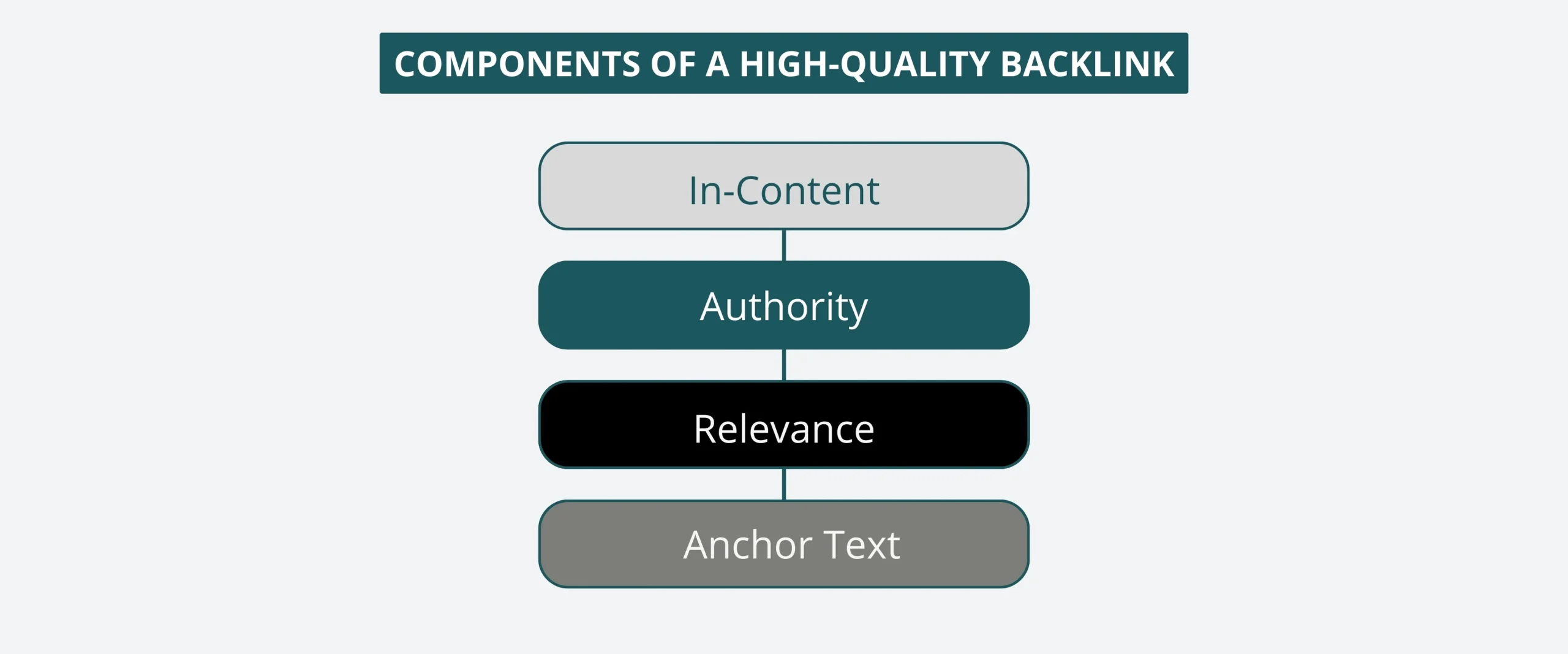
In-Content
Top-tier backlinks appear naturally in the content of an article, blog post or other piece of content. In other words, they are not links added in footers or sidebars.
Authority
Consider the authority of the linking site and page. Generally, a link from a high-authority site packs more punch than one from a lesser-known source.
Although there is no perfect metric. We use Ahrefs’s Domain Rating (DR) (for the entire website’s authority) and URL Rating (UR) to assess overall a specific page’s authority.
You can find the same metric in all SEO tools. For example, Semrush uses “Authority Score.”
Number of external links
Next, the number of external links a site and page have also matter. A backlink from a site with fewer outgoing links is usually more valuable than one linking to many others.
Do-follow links
“Do-follow” links are definitely better but don’t dismiss “No-follow” links if you can get them from high-quality sites.
Relevance
Relevance is crucial. Think about it: why would a dentist link out to your construction site? OK, there are certain circumstances where it’d be appropriate.
For example, if you are in the same town or your company built their dental office. So, make sure there is a logical connection.
But in general, links from irrelevant sites will not help much, and too many of these inbound links can even put your site in danger.
Anchor text
The anchor text (link text) is not overly spammy. For example, if most links have the same “keyword-based” anchor text ‘construction company boston’ then Google will figure out that these are not natural links.
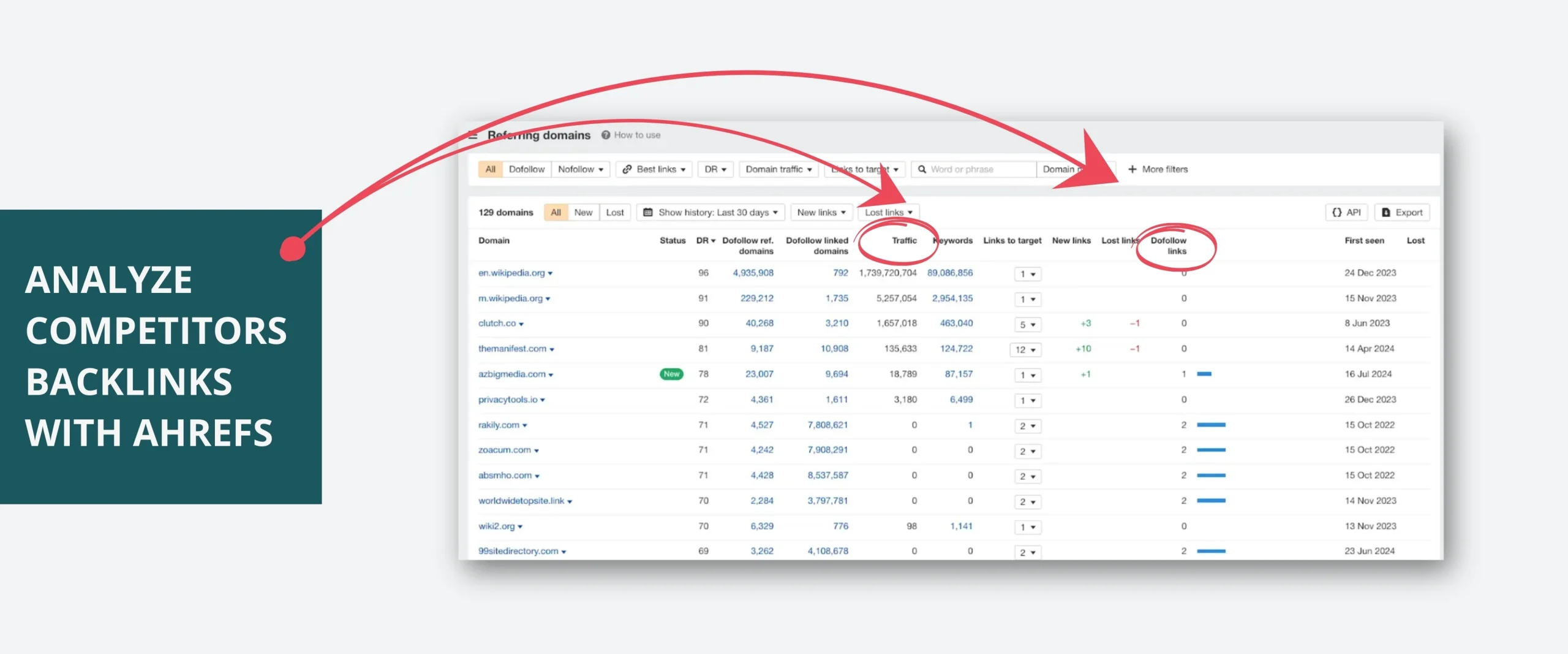
Pro-Tip: Reverse engineering goes a long way with SEO. Use tools like ahrefs or Semrush to see your competitors’ backlinks: quantity and quality. And aim to get more and better links than they have.
3. Search Intent and Content Relevancy
Before creating content, be clear on the search intent for your target keywords.
Search intent refers to the underlying reason and goal behind a user’s search query.
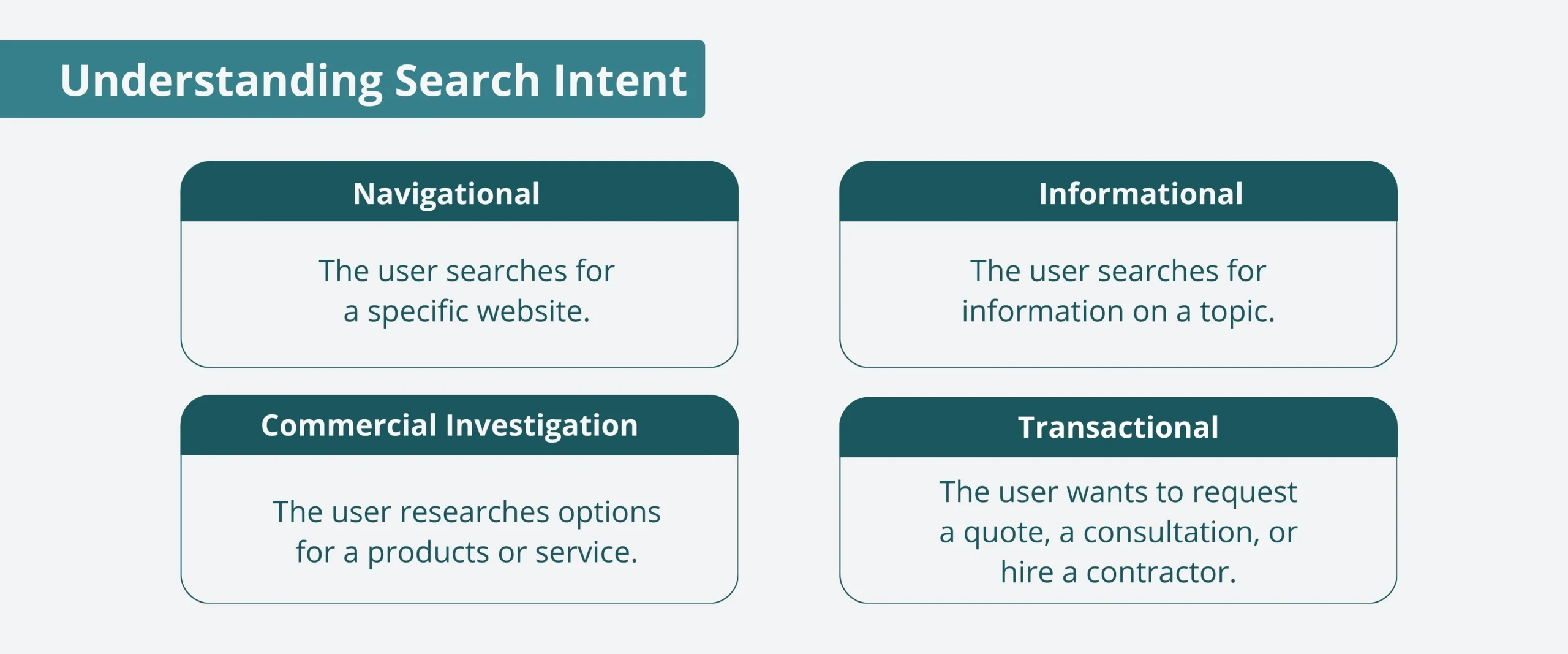
There are four main types of search intent:
- Informational – The searcher wants to learn or research more about a topic. The goal is to gain knowledge. Your audience is looking for solutions.
For example: ‘basement remodeling costs’ or ‘should I remodel my basement’ - Navigational – The user is looking for a specific website or webpage they already have in mind.
For example: XYZ company contact information or simply their website, ‘xyzcompany.com’ - Commercial investigation – The person wants to find products, brands or services. They might be looking for the best house builders, read consumer reviews, etc..
For example: ‘best construction company for multi family homes’ - Transactional – The user wants to complete an action like requesting a quote, booking a consultation, or hiring a contractor for a project. For example, a search like “construction companies in Boston” indicates a user ready to reach out and get pricing.
For example: ‘commercial construction companies near me’
Pro-Tip: Before starting any article or blog post, study the top-ranking results on Google for the main topic or keyword to see what Google deems most relevant. Then, model your page’s structure accordingly.
For example: Let’s say your target keyword is ‘large bathroom remodel ideas’
You will notice that the top websites in the search engine results page are visual listicles with 50+ idea photos and minimal text.
No matter how much information you would provide in your article.
Google wants to see a listicle with many remodeling photo ideas with short descriptions. For best results, add categories like “Flooring” and “Lighting”, etc.
Now, let’s say your target is “how to remodel a large bathroom.”
The top results are long, 1,500+ word guides with step-by-step advice for DIYers, so you may want to avoid covering this topic altogether.
But your content should be a long-form guide with detailed instructions and recommendations.
4. Keyword Optimization
Optimizing your content for keywords and phrases is still an important SEO ranking factor. But beware of going overboard.
Use target keywords naturally in your content to signal relevance. But –as mentioned above– don’t over-optimize.
Before writing your content, create a content brief and have the primary and supporting keywords ready.
Let’s break keyword optimization down into bite-sized pieces:
- Title Tags – Place your target keyword at the beginning of your post’s title tag.
- Meta Description – Add your focus keyword in there to make it clear what your page offers. It’s about making someone say, “This is what I need,” and click through to your site.
- Image Alt Text – Use the alt text to describe what’s happening in your visuals, including your keywords.
- Avoid Keyword Stuffing – Keyword stuffing can turn off both your audience and Google. Aim for a natural flow with your primary keyword sprinkled in where it makes sense, then mix it up with variations and secondary keywords. Don’t just awkwardly repeat the exact phrase.
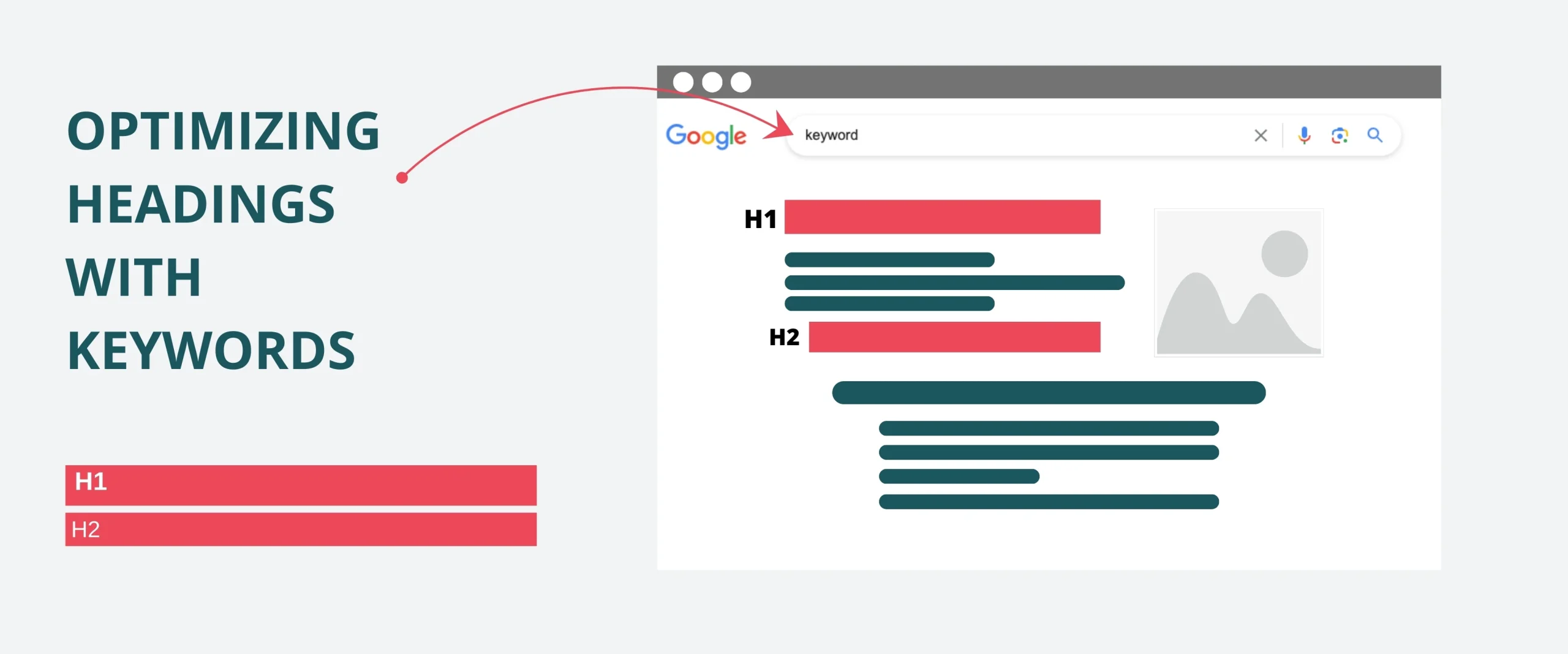
- Include Keywords in H2 and H3 Headings – Sprinkle keyword variations in your H2 and H3 headings to structure your content effectively, much like how a well-organized site plan helps everyone understand the scope of work.
- Add Keyword in URL – The page URL should carry your primary keyword, acting like the address on a blueprint that matches the project’s description. It’s straightforward, descriptive and guides visitors (and search engines) to exactly what they’re looking for.
So, for a how-to article where your main keyphrase is “basement remodeling costs” the URL might be something like www.xyzconstruction.com/basement-remodeling-costs/ – Here is a free online tool we like to use.
Pro-Tip 1: Use tools like SurferSEO or Neuronwriter to identify keyword gaps and optimize your writing.
Pro-Tip 2: Read the content out loud. Does keyword use sound natural or forced?
5. Technical SEO
Diving into Technical SEO is like laying the electrical and plumbing infrastructure in a new building. It’s absolutely critical to the building’s functionality and safety.
Website Loading Speed:
Your site’s loading speed is a crucial ranking factor affecting user experience and SEO rankings.
Tools like Google’s PageSpeed Insights can show you where and how to improve your website.
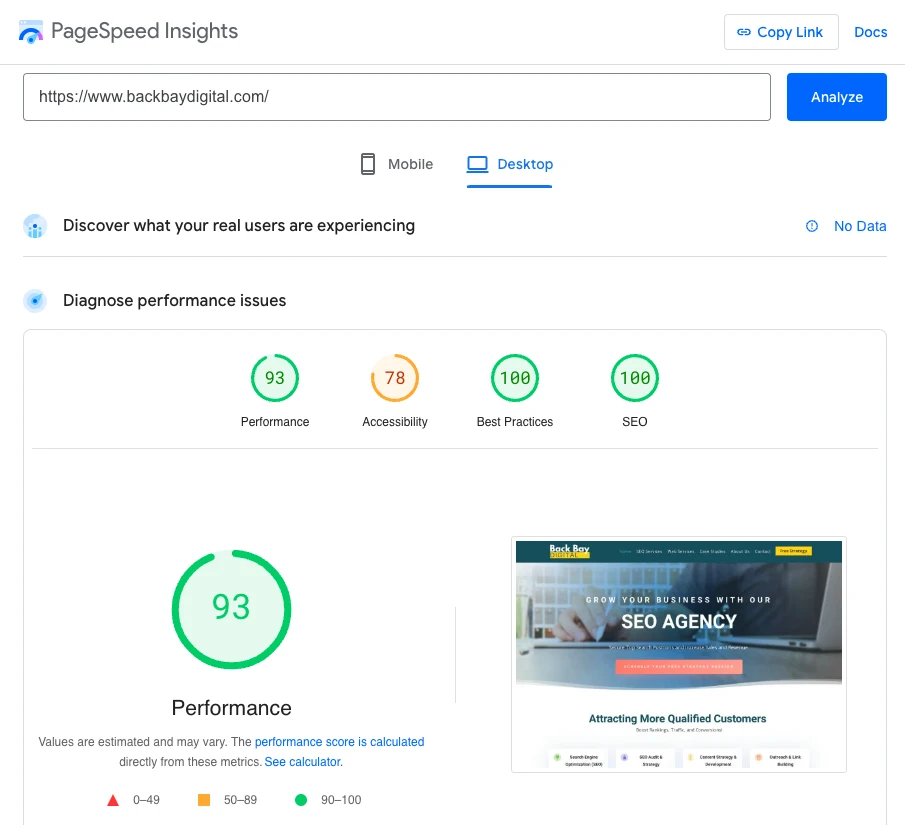
Think of it as a site inspection (literally), identifying slow-loading scripts or heavy images that need fixing.
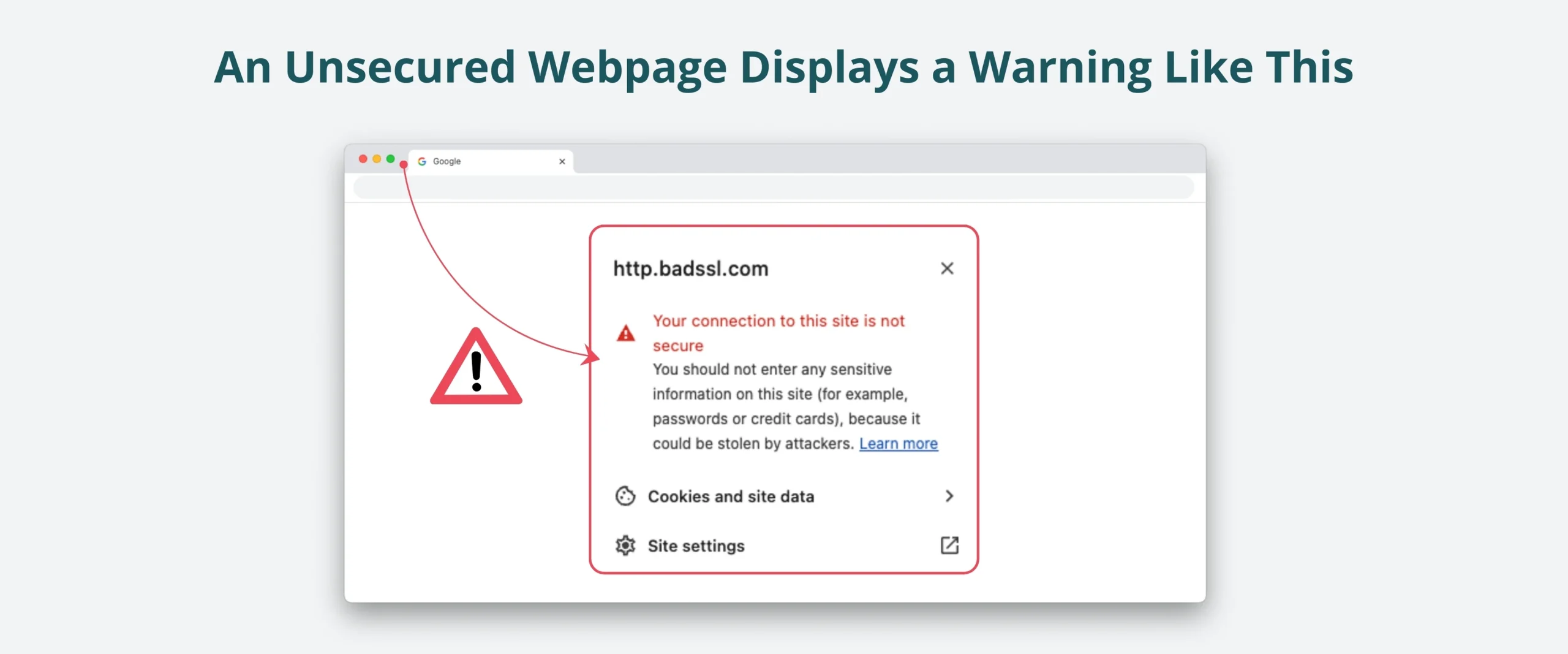
Website Security (HTTPS)
Securing your website with HTTPS will encrypt data transferred between your visitor’s browser and your website. This will protect information from hackers.
Google prefers secure websites, which is like meeting building codes for digital security.
Without the SSL (Secure Socket Layer) that provides the HTTPS (S stands for secure), visitors get a warning signal that’s pretty much a red flag saying, “Not Secure.”
For search engines to list your website in their results, they first need to be able to access your pages.
Ensuring your site is easily crawlable is like providing a clear blueprint for Google’s bots.
Use a robots.txt file and sitemaps to guide search engines through your site, ensuring they can access and understand all your content.
See the video below about common mistakes restricting search engines from crawling websites.
Crawl > Index > Rank
What do these mean?
First, search engine bots crawl the web to discover and rediscover new pages.
Then, they index what they find, storing it.
Finally, they rank content based on various ranking signals.
Website Structure
Another factor worth considering is your website’s structure, especially if you’re launching a new site.
A well-organized website makes finding information easy for users and search engines.
It’s like a well-designed building layout that logically flows from one area to another.
A clear hierarchy and simple navigation structure can enhance usability and SEO, making sure visitors and search bots can find everything they need without getting lost.
No page should be 4+ clicks away from the homepage.
Internal Linking
Using your keywords in anchor text (when you link to other pages on your site) is like putting up signs that guide your visitors (and Google) through your website.
Internal links pass authority and ranking power between pages, which helps Google suggest which pages are more important on your website. (more internal links=more important).
These links also help search engines discover new pages and understand the context of various content, boosting SEO.
Be sure your site doesn’t have orphan pages. These are pages with no incoming links. Use tools such as Screaming Frog, Semrush or Link Whisper (for WordPress) to find these pages.
Mobile-Friendly Site
In 2024 and beyond, more people use smartphones than computers to browse the internet.
Google started using mobile-first indexing in November 2016, so make sure your site looks great and functions well on mobile devices as well to improve your search rankings.
Dedupe Your Site
Duplicate content can confuse search engines, making it hard for them to know which version of a page to index and rank.
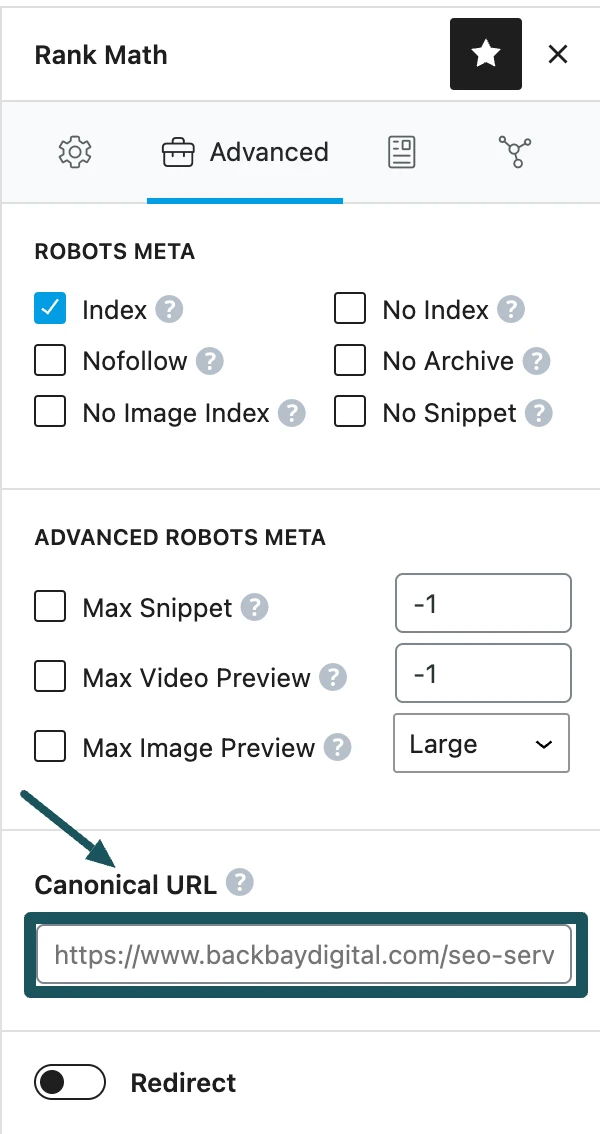
Use canonical tags to tell search engines which version of a page you want them to show.
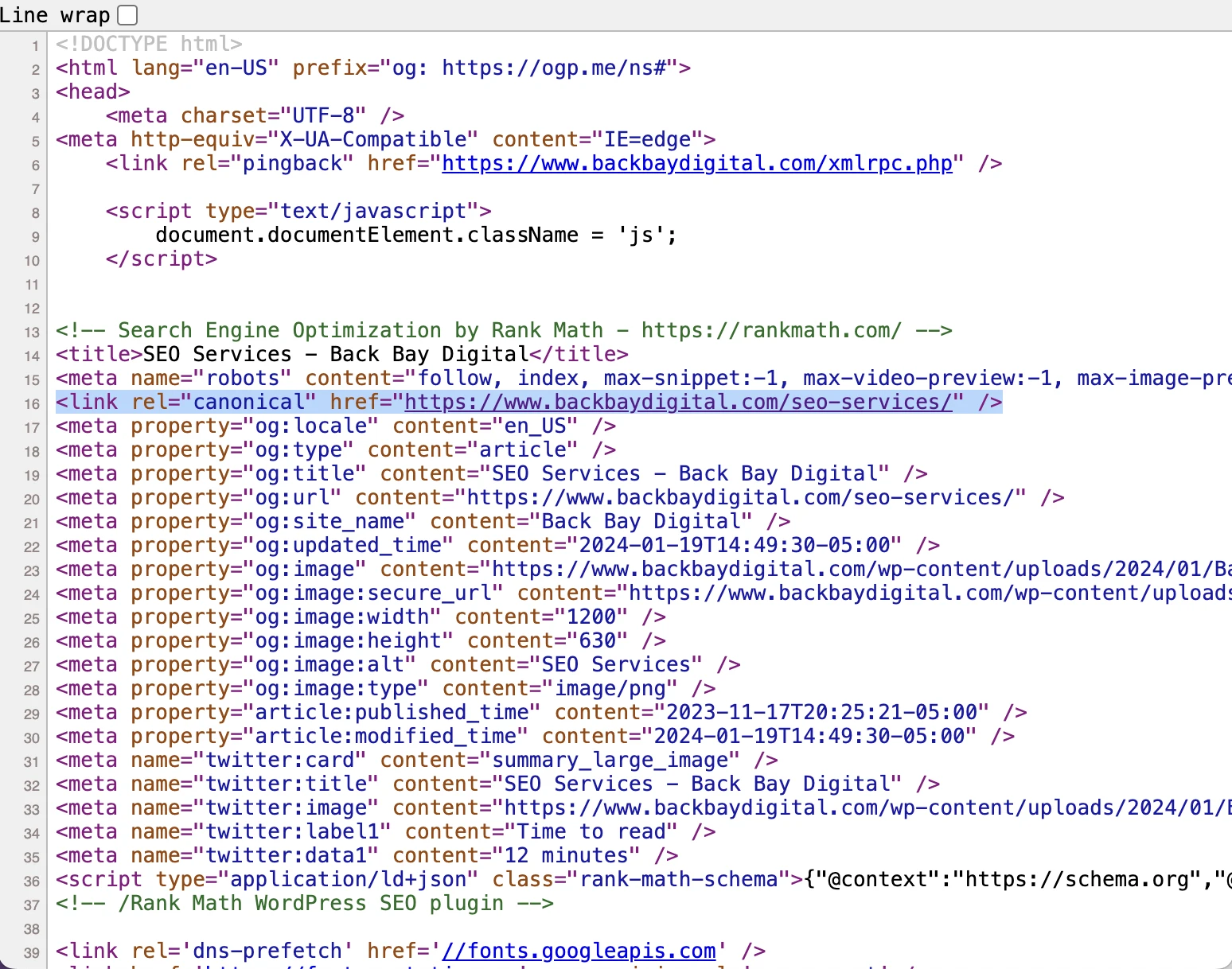
The good news is that canonical tag is added automatically when using RankMath with WordPress.
6. On-page User Experience (UX) & Engagement
Creating an exceptional on-page user experience is crucial for engaging visitors, earning links, and boosting conversions.
Site navigation should be intuitive, allowing users to find information easily.
Confusing navigation is like an impractical floor plan that has people getting lost.
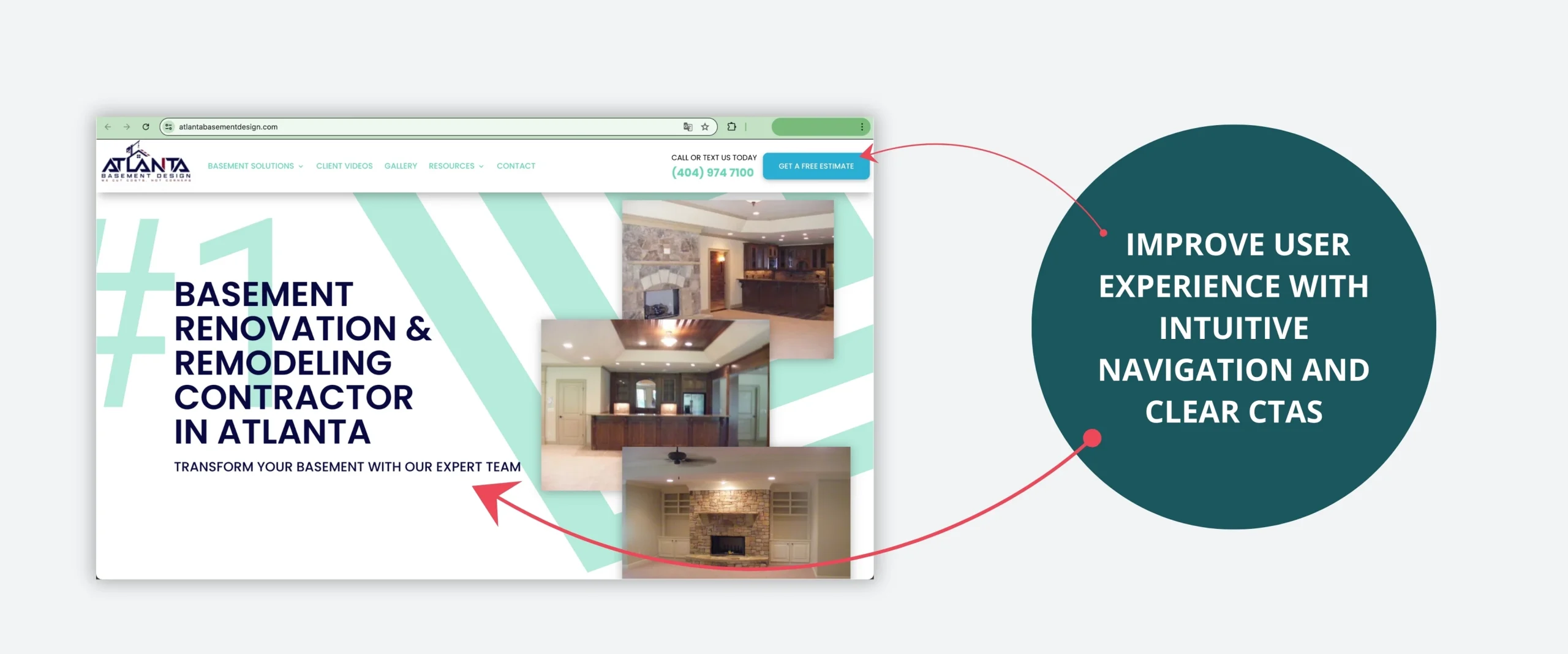
Streamline menus and use clear CTAs to guide visitors.
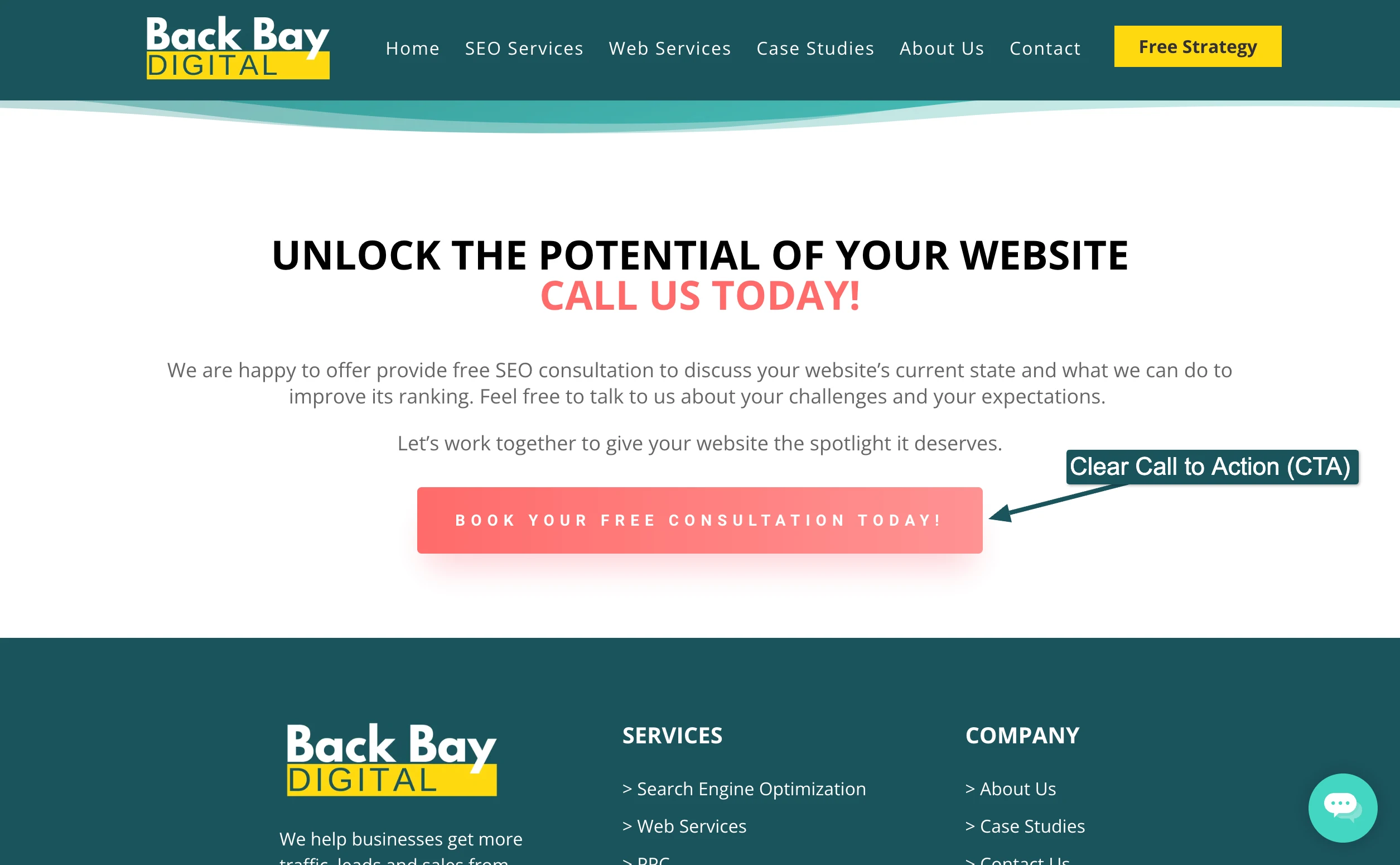
Use a unique color for links, and don’t use that color for regular text.
Also, prominently feature your service pages and contact info so visitors can easily request a quote or proposal once ready.
Pop-ups, intrusive ads, and notifications annoy visitors, damaging user experience.
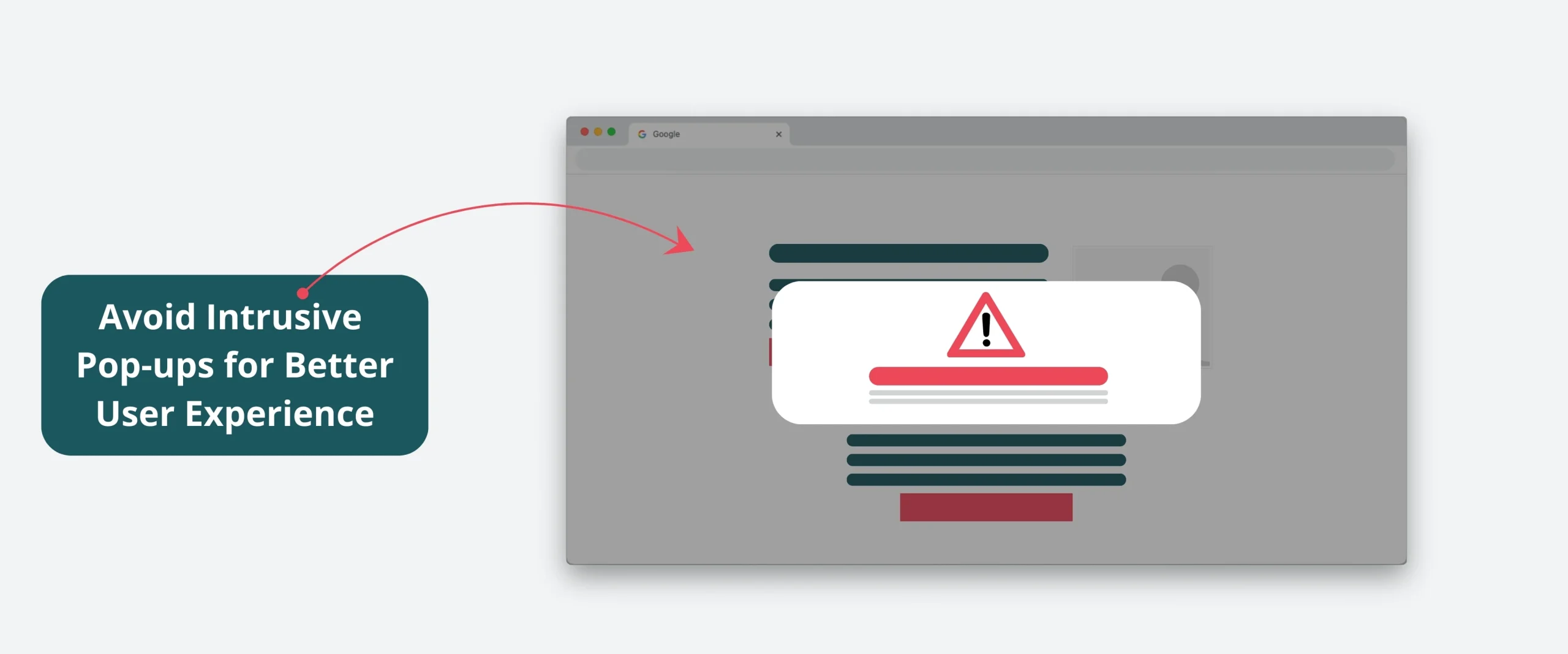
It’d be like a sales rep badgering you while you are still looking around. Allow visitors to browse in peace.
7. Topical Authority
Covering a construction topic thoroughly across multiple interlinked pages demonstrates your expertise to Google and, frankly, to your prospective clients as well.
It’s not just about one or two well-written articles. Establishing authority requires building out an in-depth resource focused on a theme.
For instance, instead of a single page on “Bathroom Remodeling,” create multiple pages that provide value, such as:
- Bathroom Remodeling Design Ideas and Inspiration
- Bathroom Remodeling Budgeting and Planning
- Small Bathroom Solutions
- Luxury Bathroom Upgrades
- Eco-Friendly Bathroom Renovations
- Smart Bathroom Technologies
- Bathroom Lighting and Ventilation
- Material Selection for Bathrooms
- Bathroom Remodeling Tips and Tricks
- Bathroom Remodeling Permitting and Regulations
- Custom Bathroom Designs
- Bathroom Additions and Expansions
- Tile and Flooring Options for Bathrooms
- Plumbing Upgrades for Bathroom Remodels
- Etc. (you get the idea)
Interlink these related pages, like rooms in an expansive house.
This shows Google you provide comprehensive bath remodeling information from multiple angles.
Build this comprehensive topical authority across your key service areas.
In addition to the main topic pages, create FAQs, buying guides, detailed process explainers, cost factors, design inspiration,
The larger your presented knowledge base, the more likely searchers will find what they need on your site to trust you as an authority.
And more visitors will convert to customers and recommend you through backlinks and word-of-mouth.
BONUS: Google Business Profile Ranking Factors
Want your construction company to rank higher in Google’s local map pack?
Of course, right?
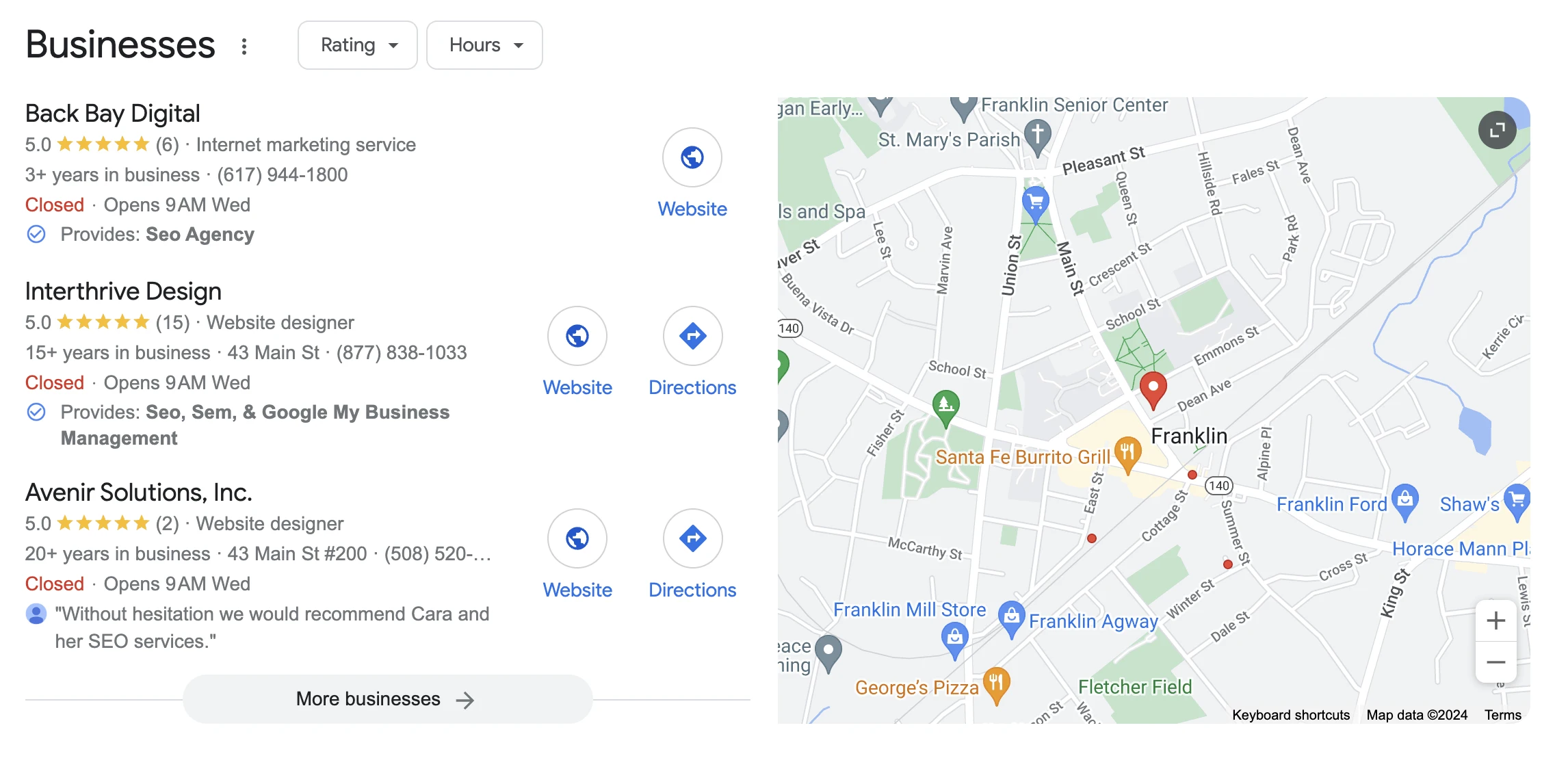
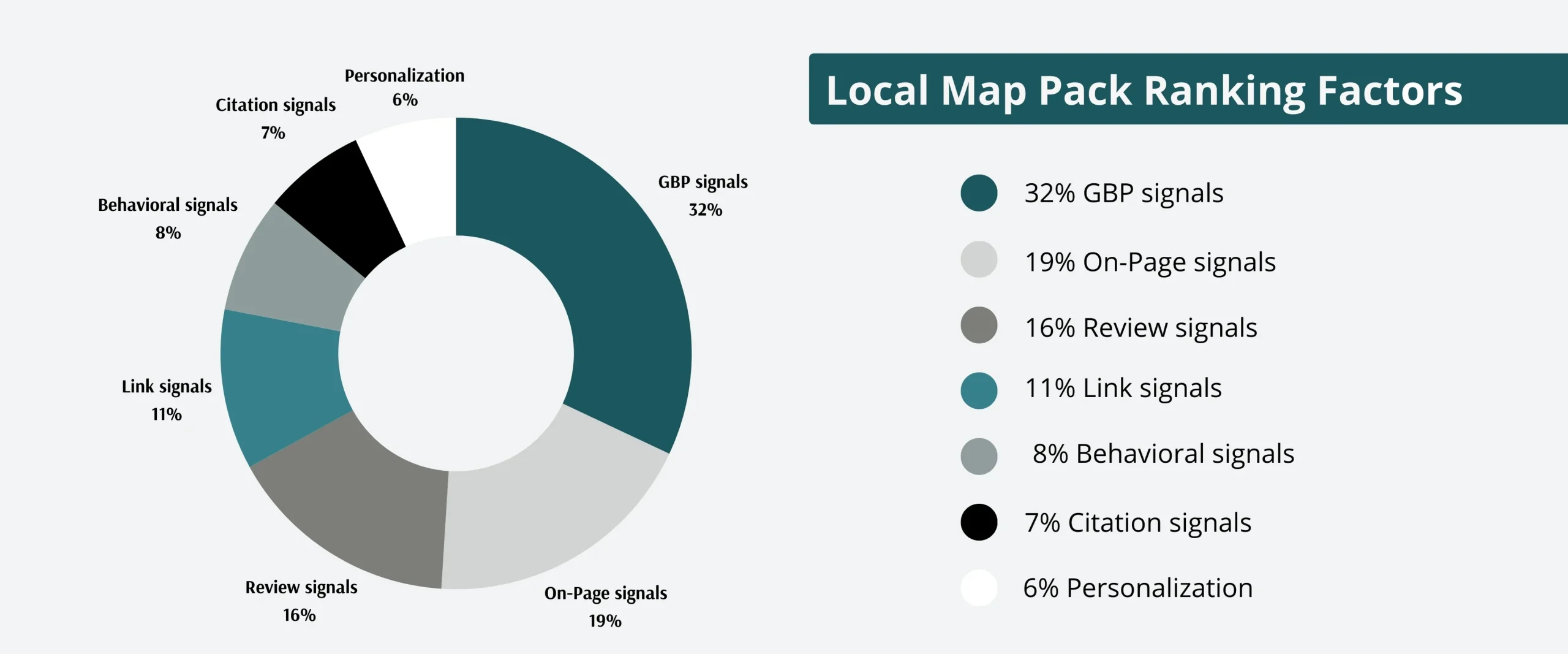
So let’s see the GBP (Google Business Profile) ranking factors.
Here are key elements that impact local (Google Business Profile) search engine rankings:
Primary Business Category – Selecting your business’s most accurate and specific category is essential.
Be precise and only choose categories directly relevant to your services to improve your chances of getting a higher position for those specific queries.
Proximity to Searcher – Google favors showing map listings closest to the searcher’s location. So, the closer your office or service area, the better.
If you want to target a location more than 20 miles away, set up another GBP. Note: You must have an address there.
Keywords in Business Title – Including relevant keywords in your business title can enhance your profile’s visibility.
However, complying with Google’s guidelines is crucial to avoid penalties. Use your leading service and location keywords judiciously, and be sure that you can prove that that’s your legal business name.
High Google Ratings – Positive reviews and high star ratings boost credibility for future clients and for Google.
Number of Reviews with Text – Quantity and quality matter.
Reviews with detailed text feedback contribute more positively to your profile’s ranking than ratings alone.
Encourage satisfied customers to leave detailed reviews about their experience and mention the location and service performed.
GBP Completeness – A complete profile signals legitimacy and transparency. Fill out all sections like services, photos, website links, hours, attributes, and more.
Post Frequently – One of the best ways to boost visibility is by regularly posting updates to your Google Business Profile.
Add special offers, events, photos, or announcements to increase engagement and discovery in local searches.
However, posting meaningful information and avoiding spammy or overly promotional content is essential.
Google Ranking Factor FAQs
How to Improve Google Search Ranking?
To improve your construction website’s organic search ranking, make sure your website has no technical SEO issues. It’s fast and mobile-friendly. Then, focus on posting quality, practical, and optimized content. Get high-quality backlinks from relevant websites to signal authority.
How Do You Check a Construction Website’s Ranking in Google?
You can check a website’s current Google ranking for target keywords using online tools like SEMrush, Ahrefs, or Moz. These tools provide insights into your website’s position for specific keywords, track performance over time, and identify opportunities for improvement. (see more detail in reports)
Find out how Back Bay Digital can help your construction company grow with SEO.